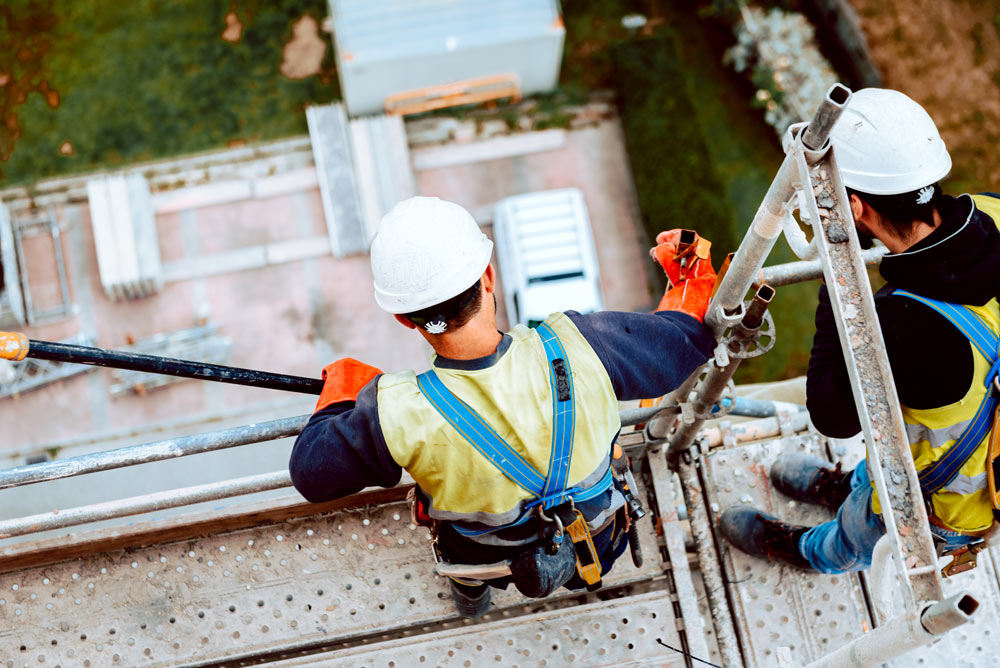
Whether you’re repairing a residential roof or constructing a large-scale commercial building, scaffolding plays a vital role in ensuring the job is done safely, efficiently, and to a high standard. In the roofing industry, scaffolding isn’t just an optional extra—it’s often a legal and practical necessity.
In this article, we explore the importance of scaffolding in roofing projects, how it contributes to health and safety compliance, and why it boosts project efficiency and quality. If you’re planning roof repairs, replacement, or a new roof installation, this guide will help you understand why scaffolding is a crucial part of the process.
What Is Scaffolding?
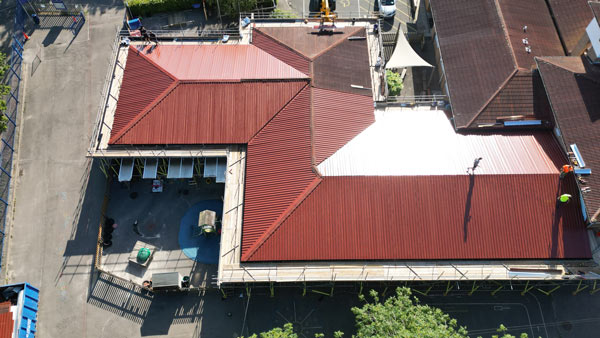
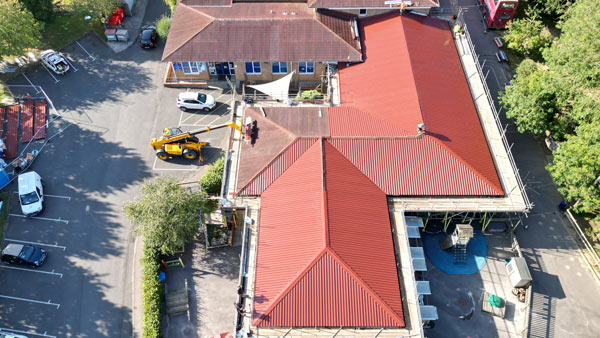
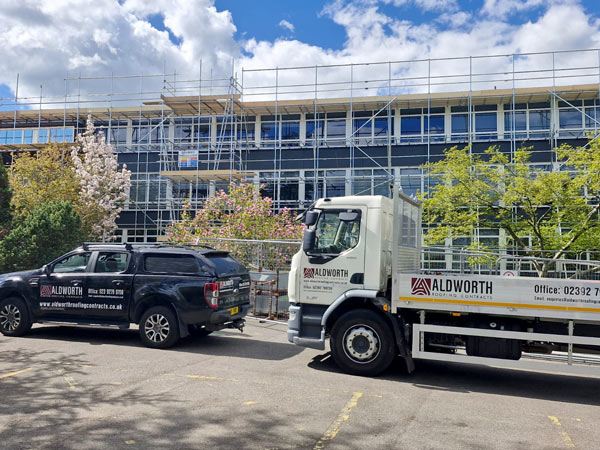
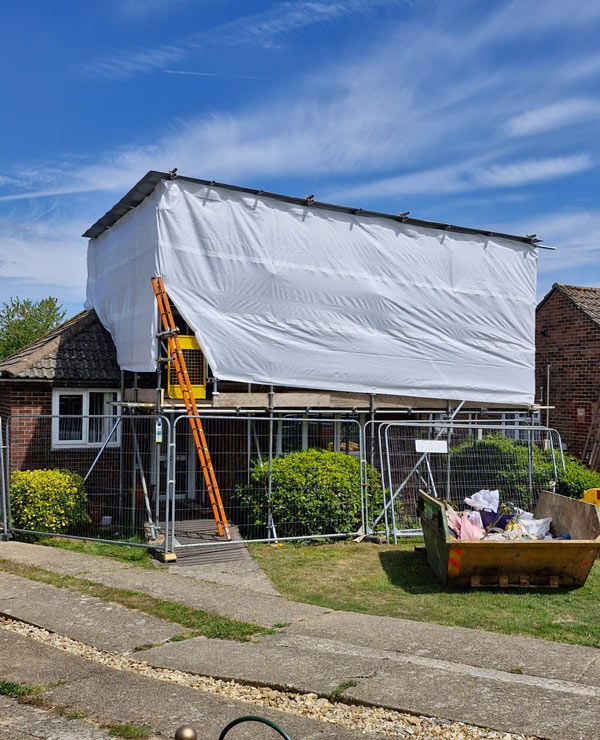
Scaffolding is a temporary structure built around or alongside a building to provide safe working access at height. Made primarily from steel or aluminium tubes, scaffolding is used by roofers, builders, and other tradespeople to access roofs and upper levels during construction or repair projects.
Depending on the project scope, scaffolding systems can range from simple single-platform towers to complex multi-level structures with edge protection, loading bays, and stair access.
Why Is Scaffolding Important in Roofing?
1. ✅ Ensures Worker Safety
Roofing is consistently ranked as one of the most dangerous construction activities, with falls from height being the leading cause of injury. Scaffolding provides a stable, level platform for roofers to work from, reducing the risk of falls, slips, or missteps.
UK Health & Safety regulations, particularly the Work at Height Regulations 2005, require that safe access is provided when working above ground level. In most roofing jobs, this means scaffolding is essential for legal compliance.
2. ✅ Improves Access and Reach
Many roofing tasks involve working on sloped surfaces or around chimneys, valleys, and gutters. Scaffolding allows for full perimeter access around a building, enabling roofers to work in areas that would be difficult or dangerous to reach with just ladders.
This is especially important for:
-
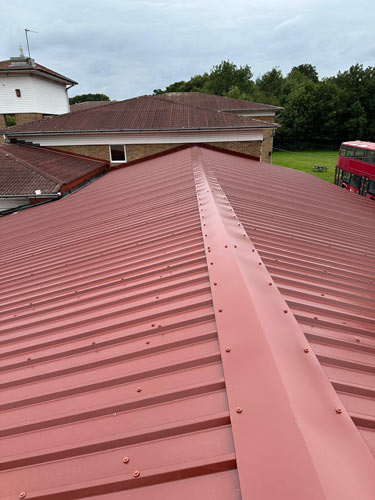
Replacing tiles or slates
-
Repairing flashings or leadwork
-
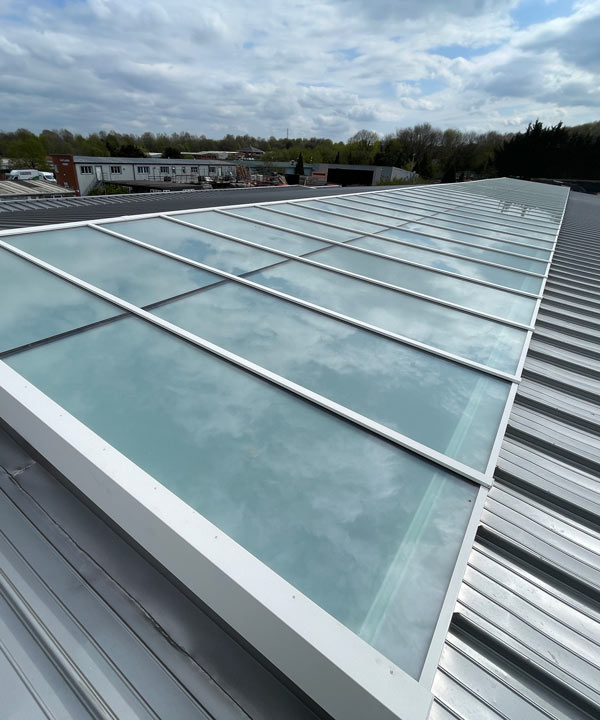
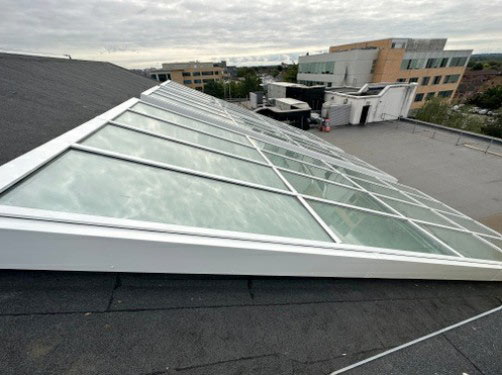
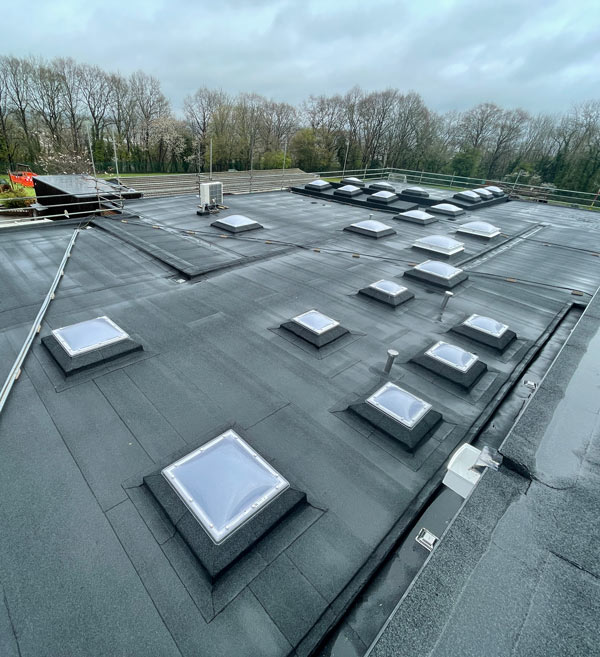
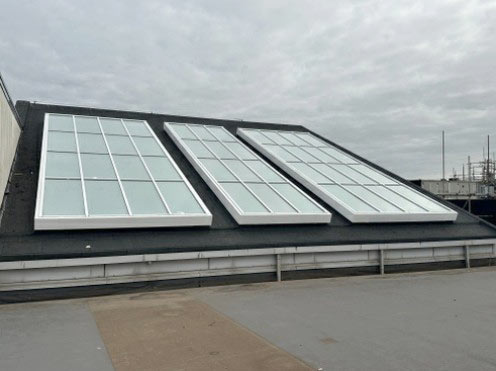
Installing roof lights or lanterns
-
Gutter and fascia work
-
Chimney pointing or removal
3. ✅ Boosts Speed and Efficiency
Well-designed scaffolding makes roofing more efficient by reducing the time spent climbing, balancing, and repositioning ladders. It also allows for multiple trades to work simultaneously—roofers, scaffolders, and material handlers can all access different parts of the structure safely.
The result? Faster project timelines, less downtime, and reduced labour costs.
Scaffolding and Roofing: What Does the Law Say?
In the UK, HSE (Health and Safety Executive) guidelines are very clear on working at height:
“You must do all that is reasonably practicable to prevent anyone falling.”
This includes:
-
Using suitable scaffolding or work platforms
-
Ensuring all scaffolds are erected by trained professionals
-
Carrying out regular safety checks and inspections
It’s also the responsibility of both the roofing contractor and the property owner to ensure proper safety measures are in place. Failure to do so can result in legal liability, fines, or even criminal charges in the event of an accident.
Types of Scaffolding Used in Roofing Projects
There are several types of scaffolding systems used for different roofing applications:
🏗️ Independent Scaffolding
-
Free-standing structure built next to the building
-
Ideal for full-roof replacements and access to guttering and soffits
🧱 Putlog Scaffolding
-
Attached directly to the building for support
-
Often used for smaller repairs or single-access jobs
🔄 Mobile Tower Scaffolding
-
Movable scaffold towers for quick repairs or access to specific sections
-
Common for domestic roofing and minor repairs
🪜 Edge Protection & Guardrails
-
Can be added to existing scaffolding or used standalone
-
Ensures workers are protected when working near the roof edge
🚧 Loading Bays & Lifts
-
Help move heavy roofing materials to roof height
-
Reduce manual handling risks and improve site productivity
The Process: How Scaffolding Is Used in a Roofing Project
Here’s what to expect when scaffolding is used as part of a roofing job:
1. Site Survey
-
A qualified scaffolding company will assess access points, ground conditions, and safety needs.
2. Design & Risk Assessment
-
A custom scaffold is designed, and a risk assessment is completed in line with HSE regulations.
3. Erection
-
Professional scaffolders install the system, typically within 1–2 days depending on size and complexity.
4. Inspection
-
Before any roofing work begins, the scaffold is inspected and signed off.
5. Roofing Work Begins
-
Roofers carry out their work with safe, secure access to all necessary areas.
6. Dismantling
-
Once the job is complete, the scaffolding is carefully taken down and removed from site.
Cost of Scaffolding for Roofing Projects
Scaffolding costs depend on several factors:
-
Size and height of the building
-
Length of time it’s needed
-
Complexity of the structure
-
Location and access challenges
Typical scaffolding hire costs for a roofing project in the UK might range from:
-
£500–£1,000 for small domestic jobs
-
£1,500–£3,000+ for larger or more complex structures
While this adds to your roofing project budget, it’s a vital investment in safety and quality.
Can Roofing Be Done Without Scaffolding?
In very limited circumstances, minor repairs may be carried out using ladders or mobile towers—but only if risk assessments confirm it is safe and practical. For most professional roofing work, especially tile replacement, chimney repairs, or full roof renewals, scaffolding is not just preferable—it’s essential.
Attempting to complete roofing work without proper access and fall protection can result in:
-
Unsafe working conditions
-
Increased likelihood of errors or accidents
-
Potential legal consequences
Benefits of Using a Professional Roofing Company with Scaffolding Expertise
When you hire a roofing contractor that includes scaffolding as part of their service, you get:
-
One point of contact for the full job
-
Better coordination and scheduling
-
Full compliance with UK safety regulations
-
Peace of mind that every aspect is professionally managed
At [Your Company Name], we provide scaffolded roofing solutions across [Your Region], with experienced installers, fully insured teams, and tailored safety plans for each project.
Final Thoughts: Why Scaffolding Matters in Roofing
Scaffolding is much more than a supporting structure—it’s the foundation of safe, efficient, and high-quality roofing work. It protects workers, speeds up installation, improves access, and ensures your roofing project meets all legal and professional standards.
If you’re planning a roof repair, replacement, or extension, make sure scaffolding is part of the plan from day one.
📞 Need Help with a Roofing Project?
We offer complete roofing and scaffolding services for homes and businesses. Whether it’s a minor repair or a full roof build, contact us today for a free quote and expert advice on the safest and most cost-effective approach.