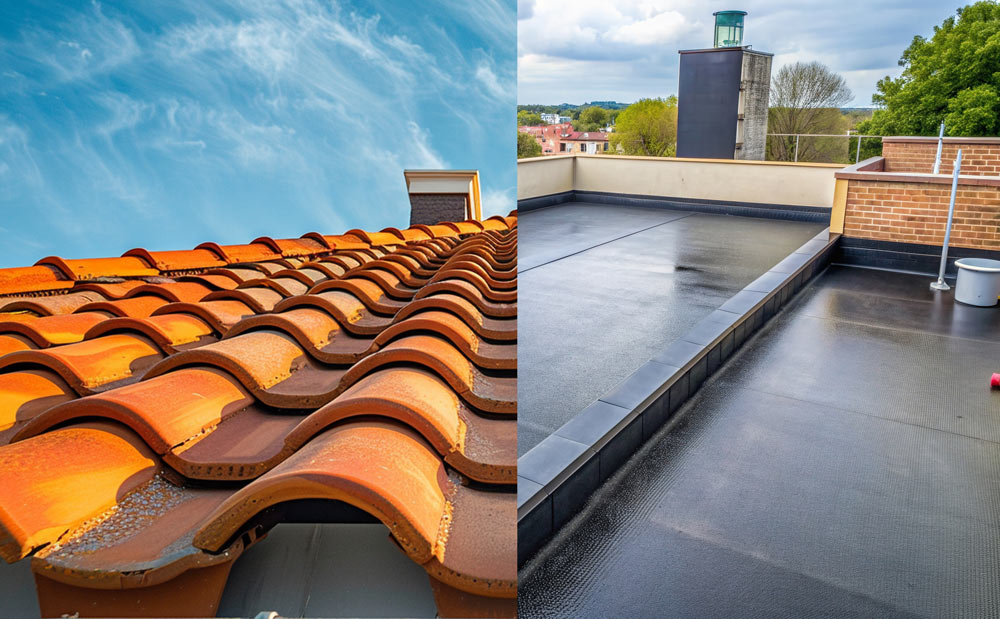
When designing or renovating a property, one of the most important structural choices you’ll make is the type of roof. Whether you’re building a new home, planning an extension, or converting a garage, choosing between a flat roof and a pitched roof can significantly affect the look, performance, and cost of your project.
Both roof types come with unique benefits and challenges. In this guide, we explore the key differences between flat and pitched roofs, including their advantages, disadvantages, long-term value, and cost considerations, to help you make the best decision for your property.
What Is a Flat Roof?
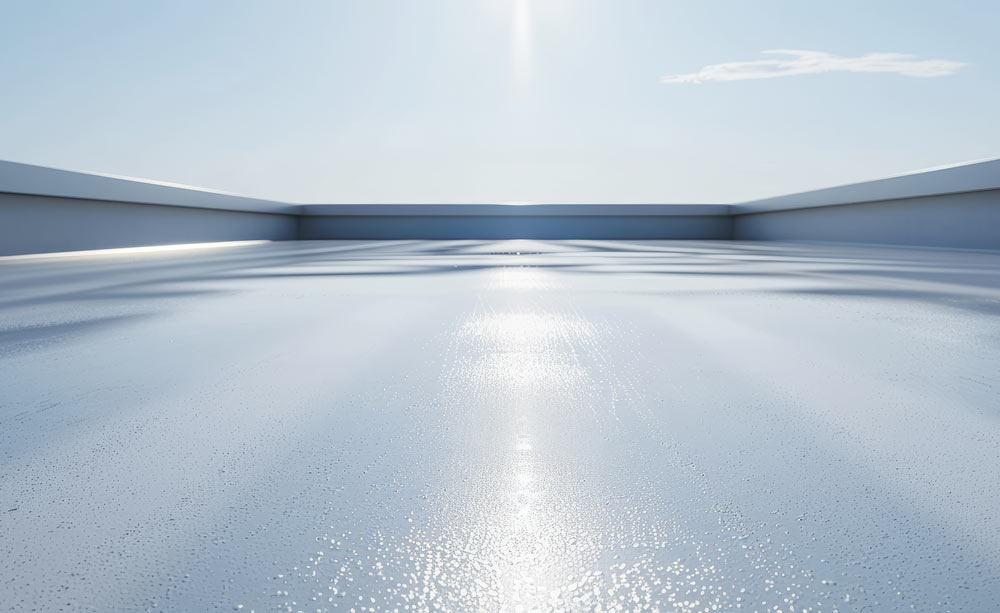
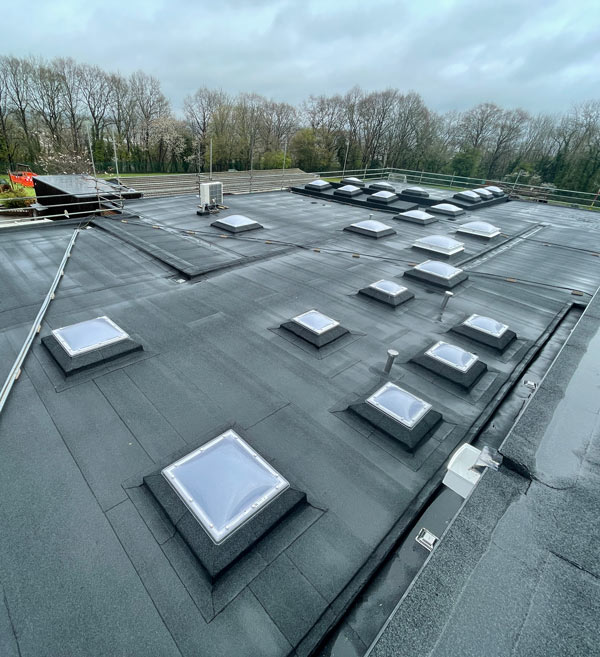
A flat roof is not completely flat but typically has a slight gradient (usually between 1:40 and 1:80) to allow water runoff. These roofs are common on modern extensions, garages, commercial buildings, and outbuildings. Materials often used include EPDM rubber, GRP (fibreglass), bitumen, and liquid roofing systems.
What Is a Pitched Roof?
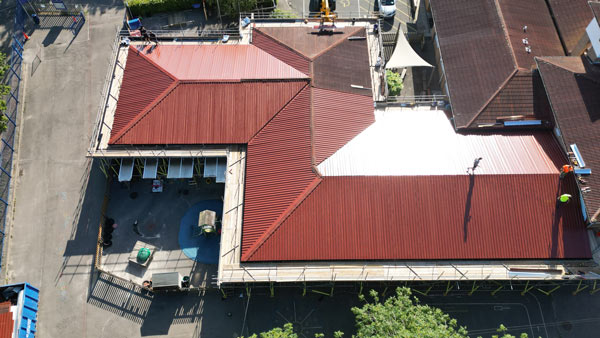
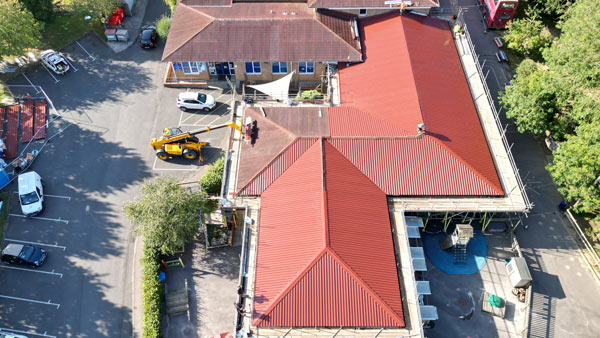
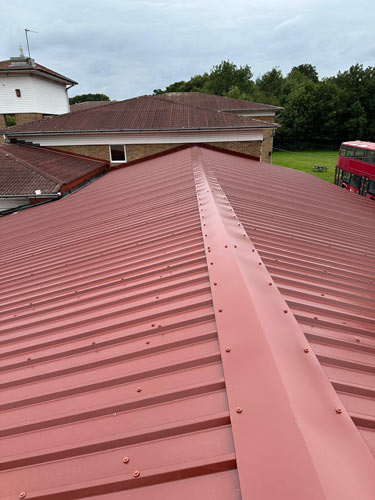
A pitched roof has a steep slope—commonly between 30° to 60°—and is the traditional roof type used in most homes across the UK. Pitched roofs can be simple gable styles or more complex hip or dormer configurations. Materials often include roof tiles, slates, metal sheets, or composite shingles.
Flat Roofs: Pros and Cons
✅ Pros of Flat Roofs
-
Cost-Effective to Install
-
Flat roofs generally require fewer materials and less structural support than pitched roofs, making them more affordable to construct.
-
-
Faster Installation
-
With a simpler design, flat roofs are quicker to install, saving time on labour and project completion.
-
-
Modern Aesthetic
-
Flat roofs are ideal for contemporary architecture and minimalist design.
-
-
Usable Space
-
They offer the potential for green roofs, roof terraces, or solar panels, especially in urban environments.
-
-
Easier Access for Maintenance
-
It’s simpler and safer to access flat roofs for inspections or repairs.
-
❌ Cons of Flat Roofs
-
Shorter Lifespan
-
Flat roofs typically last 20–30 years, whereas pitched roofs can last 50 years or more.
-
-
Water Drainage Issues
-
Poor drainage or installation can lead to ponding, leaks, and water ingress.
-
-
Less Insulation Space
-
Flat roofs offer limited loft space for insulation, which can reduce energy efficiency.
-
-
Planning Restrictions
-
In some areas, local councils may prefer pitched roofs for aesthetic consistency with neighbouring properties.
-
Pitched Roofs: Pros and Cons
✅ Pros of Pitched Roofs
-
Superior Drainage
-
The slope of a pitched roof allows for natural water runoff, reducing the risk of leaks and standing water.
-
-
Long Lifespan
-
When well-maintained, pitched roofs can last 50–100 years, making them a long-term investment.
-
-
Energy Efficiency
-
They offer more space for insulation, helping regulate indoor temperatures.
-
-
Additional Space
-
Pitched roofs often allow for attic or loft conversions, adding extra usable space to your home.
-
-
Traditional and Attractive
-
A pitched roof complements traditional UK home styles and adds curb appeal and value.
-
❌ Cons of Pitched Roofs
-
Higher Cost
-
More materials, labour, and time are needed, making pitched roofs more expensive to install.
-
-
Longer Installation Time
-
Complex structures require additional engineering and project management, which can delay timelines.
-
-
Limited Use in Urban Extensions
-
In tight urban spaces, planning restrictions or height limits may favour flat roofing systems.
-
Flat vs. Pitched Roofs: Cost Comparison
🔧 Installation Costs
-
Flat Roofs:
Expect to pay £80–£120 per m², depending on materials (EPDM, GRP, bitumen, etc.). -
Pitched Roofs:
Typically costs £150–£250 per m², factoring in tiles, structure, and underlay.
🧱 Example (20m² extension):
Flat roof cost: ~£2,000–£2,500
Pitched roof cost: ~£3,000–£5,000+
🛠 Maintenance and Repair Costs
-
Flat Roofs:
More prone to repairs due to exposure to pooling water or membrane damage. Repairs can be £200–£500, depending on the issue. -
Pitched Roofs:
Less frequent repairs but more complex when required. Replacing tiles or fixing leaks may cost £300–£700.
💡 Energy Efficiency Costs
-
Flat roofs often need added insulation boards or internal insulation, which can increase installation cost but are essential to prevent heat loss.
-
Pitched roofs allow for loft insulation that’s easier to install and upgrade over time, potentially reducing heating bills in the long term.
When to Choose a Flat Roof
Flat roofs are an excellent choice if:
-
You’re building a modern extension or outbuilding
-
You want to add a roof terrace, balcony, or green roof
-
You’re on a tight budget or short timeline
-
You live in an urban area where height restrictions apply
When to Choose a Pitched Roof
Pitched roofs are ideal if:
-
You want long-term value and low maintenance
-
Your property is in a traditional neighbourhood
-
You’re looking to add extra living space with a loft conversion
-
You want to maximise thermal performance
Which Roof Is Best for Extensions?
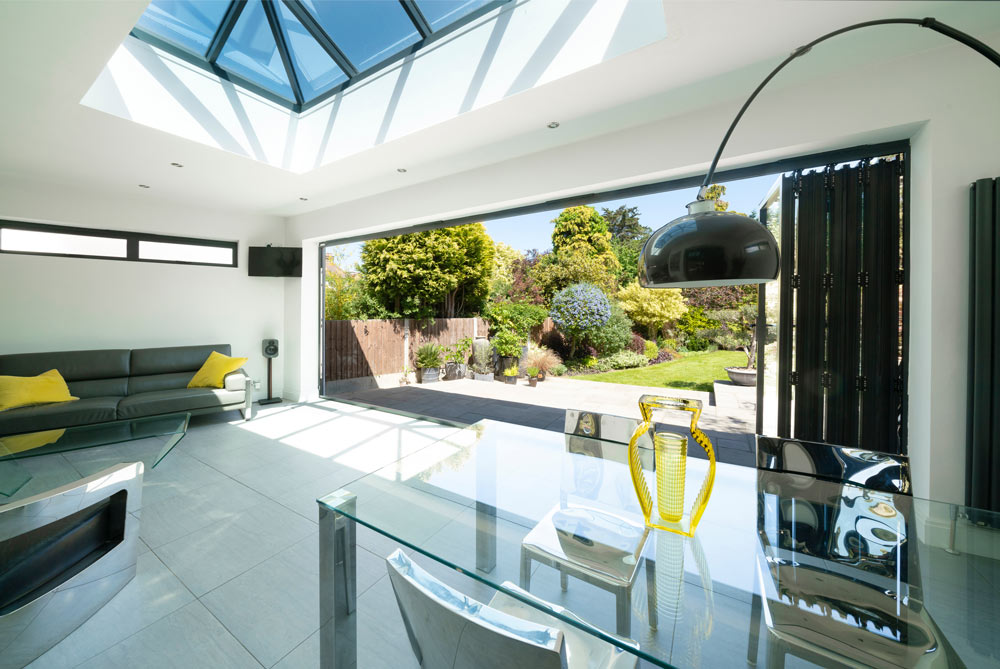
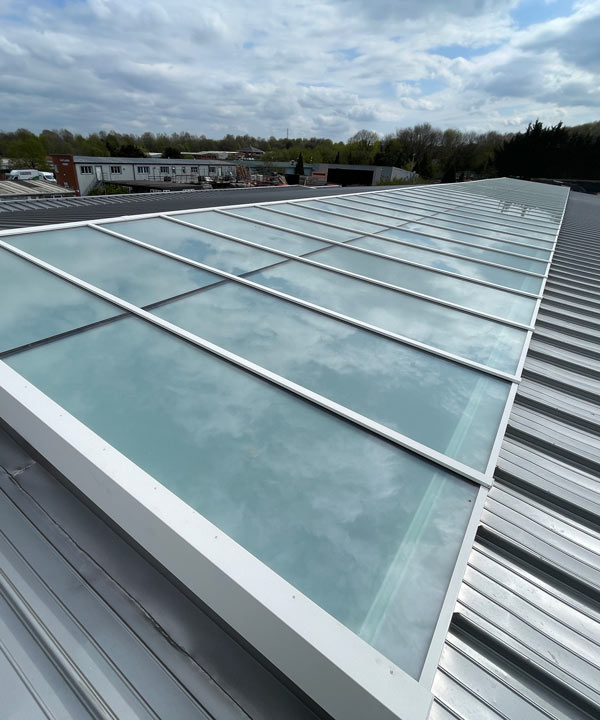
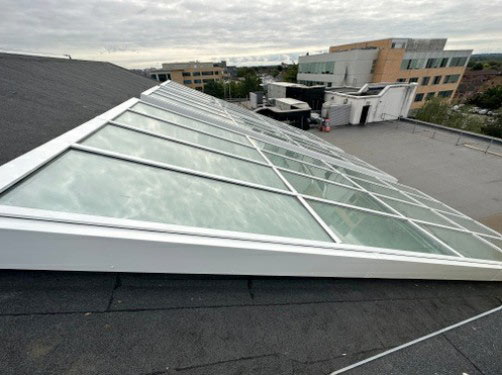
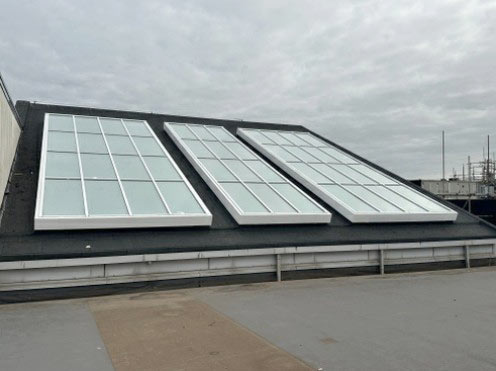
For single-storey rear extensions, flat roofs are often more cost-effective and can integrate roof lanterns or roof lights to enhance natural light.
However, if your home is more traditional and you’re aiming for architectural harmony, a pitched roof might be the better visual match—even if it’s more expensive.
Summary Table: Flat Roof vs Pitched Roof
| Feature | Flat Roof | Pitched Roof |
|---|---|---|
| Cost | Lower upfront cost | Higher upfront cost |
| Installation Time | Faster | Slower |
| Lifespan | 20–30 years | 50–100 years |
| Insulation | Less space | More space, better efficiency |
| Visual Impact | Modern and minimal | Traditional and elevated aesthetic |
| Maintenance | More frequent but easier | Less frequent, more complex |
| Space Use | Great for terraces or solar | Ideal for lofts or storage |
Final Thoughts
There’s no one-size-fits-all answer when it comes to flat vs pitched roofs. The best choice depends on your property type, budget, design goals, and long-term plans.
If you’re still unsure which option is best, it’s worth speaking to a professional roofing contractor. At [Your Company Name], we offer expert advice and full installation services for flat and pitched roofs across [your location or region], including liquid roofing, tiled roofs, roof lights, and more.
📞 Get Expert Advice Today
Need help deciding between a flat or pitched roof for your next project? Contact our team for a free consultation and no-obligation quote.