Maintaining housing properties can be a challenging and costly task if repairs are only addressed when problems arise. That’s why Planned Maintenance has become a vital strategy for landlords, housing associations, and property managers. By taking a proactive approach, properties remain safe, compliant, and attractive, while reducing costs and improving tenant satisfaction. In this article, we explore the key benefits of Planned Maintenance and why every property owner should prioritise it.
What is Planned Maintenance?
Planned Maintenance is a proactive approach to property upkeep that involves scheduling regular inspections, servicing, and repairs rather than waiting for issues to occur. This differs from reactive maintenance, which only addresses problems once they arise and can often result in costly emergency interventions.
Examples of Planned Maintenance in housing properties include:
-
Routine inspections of electrical and gas systems
-
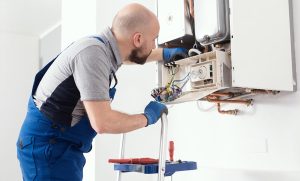
Servicing boilers and heating systems
-
Roof, gutter, and drainage inspections
-
Kitchen and bathroom refurbishments
-
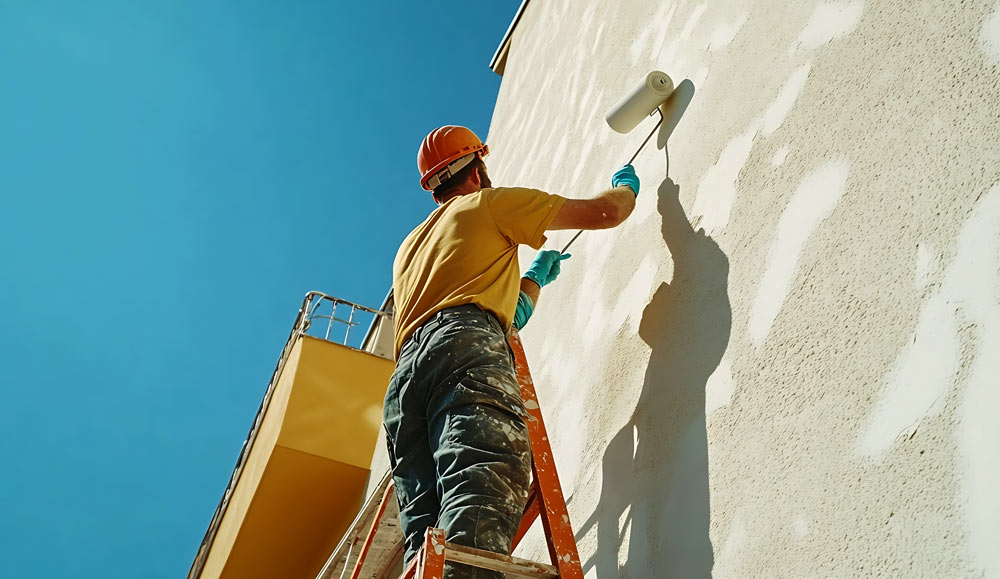
Internal and external painting programs
-
Plumbing checks and preventative repairs
By systematically managing these activities, property managers can ensure that homes remain in excellent condition and avoid unexpected failures.
Cost Efficiency and Budget Management
One of the primary benefits of Planned Maintenance is the ability to control costs effectively. Reactive repairs are often more expensive because urgent problems can lead to emergency call-outs, property damage, and disruption for tenants.
With Planned Maintenance, property owners can:
-
Budget for repairs and replacements in advance
-
Avoid costly emergency repairs and downtime
-
Extend the lifespan of fixtures, fittings, and building systems
-
Reduce long-term maintenance costs through preventative action
A structured approach allows housing providers to spread maintenance expenses evenly throughout the year, improving financial planning and reducing unexpected financial pressures.
Improving Tenant Satisfaction
Tenant satisfaction is a key factor in the success of rental properties. Well-maintained homes encourage long-term tenancy, reduce complaints, and improve overall tenant wellbeing. Planned Maintenance ensures tenants experience fewer disruptions and enjoy safe, comfortable living environments.
Benefits for tenants include:
-
Reduced emergency repairs and inconvenience
-
Reliable heating, water, and electrical systems
-
Consistent upkeep of kitchens, bathrooms, and communal areas
-
Healthier living environments with reduced risks of damp or mould
By demonstrating a commitment to proactive care, landlords can build trust and maintain positive relationships with tenants.
Regulatory Compliance
Housing properties must meet strict health and safety standards. Failure to comply with regulations can result in legal action, fines, or enforcement notices. Planned Maintenance helps landlords and housing providers maintain compliance with key legislation, including:
-
Gas Safety Regulations
-
Electrical Safety Standards
-
Fire Safety Regulations
-
Housing Health and Safety Rating System (HHSRS)
Regular inspections, servicing, and documented maintenance activities show that property managers are adhering to legal obligations, protecting both tenants and themselves from potential legal issues.
Reducing Long-Term Property Damage
Minor issues such as leaks, condensation, or blocked gutters can quickly escalate into serious structural problems if left unattended. Planned Maintenance reduces the risk of long-term damage by addressing issues early.
Advantages include:
-
Preventing damp and mould growth
-
Avoiding water damage and structural decay
-
Reducing the need for major refurbishments
-
Preserving the overall value of properties
By tackling maintenance proactively, property owners protect their investment and ensure homes remain in high-quality condition for years to come.
Efficient Resource Management
A well-organised Planned Maintenance programme allows property managers to optimise resources, improving efficiency and reducing disruption. By scheduling works in advance, landlords can allocate labour, contractors, and materials effectively.
Benefits include:
-
Streamlined work schedules and reduced downtime
-
Better management of contractors and suppliers
-
Reduced disruption for tenants during maintenance activities
-
Predictable workloads for in-house teams
Efficient resource management ensures that maintenance work is completed consistently, on time, and within budget.
Sustainability and Environmental Benefits
Modern property management increasingly focuses on sustainability. Planned Maintenance contributes to environmental responsibility by improving energy efficiency and reducing waste.
Examples include:
-
Regular servicing of boilers and heating systems to reduce energy consumption
-
Proper maintenance of insulation to prevent heat loss
-
Preventing material waste through scheduled repairs rather than emergency replacements
-
Supporting eco-friendly refurbishment options, such as low-energy lighting or water-saving devices
By implementing a planned approach, landlords can reduce their environmental impact while improving the overall efficiency of their properties.
How to Implement Planned Maintenance Successfully
For Planned Maintenance to be effective, it needs to be systematic, data-driven, and regularly updated. Key steps include:
-
Assess Property Needs: Conduct a full survey to identify maintenance priorities.
-
Create a Maintenance Schedule: Plan inspections, servicing, and refurbishments on a calendar.
-
Budget Strategically: Allocate funds for planned works to avoid financial strain.
-
Monitor and Track Progress: Keep detailed records of completed maintenance and ongoing issues.
-
Adjust Plans as Needed: Update schedules based on tenant feedback and property condition.
Digital property management tools can simplify the process, providing reminders, record-keeping, and reporting features to ensure all works are completed on time and efficiently.
Case Study: The Impact of Planned Maintenance
Consider a housing association managing 50 properties. By implementing a Planned Maintenance programme, including regular roof inspections, boiler servicing, and electrical checks, they reduced emergency repair costs by 60% within a year. Tenant satisfaction improved significantly, and the properties retained higher market value due to fewer structural issues.
This example demonstrates how proactive maintenance can transform property management from reactive problem-solving into a cost-effective, efficient, and tenant-friendly operation.
Conclusion
Investing in Planned Maintenance is essential for landlords, housing associations, and property managers who want to protect their assets and provide high-quality homes. The benefits are clear: cost savings, improved tenant satisfaction, regulatory compliance, reduced long-term damage, efficient resource management, and environmental sustainability.
By adopting a proactive approach, property owners can prevent costly emergencies, extend the life of their properties, and create safe, comfortable, and desirable homes for tenants. Implementing Planned Maintenance transforms property management into a predictable, efficient, and effective process, ensuring long-term success for both landlords and tenants.