
Managing vacant properties can be challenging for landlords and housing providers. Empty homes often require maintenance, repairs, and upgrades before they can be let again. This is where a Void Property Refurbishment becomes essential. A well-planned refurbishment ensures properties are safe, compliant, and attractive to tenants while maximising the return on investment. In this guide, we outline a step-by-step approach to achieving a successful void property refurbishment.
What is a Void Property Refurbishment?
A Void Property Refurbishment refers to the process of preparing a vacant property for reoccupation. This involves addressing maintenance issues, repairing damage, updating interiors, and ensuring the property complies with safety and housing standards. Void refurbishments are particularly common in social housing, rental portfolios, and private property management.
The purpose of a void refurbishment is not just cosmetic — it restores the property to a fully habitable, safe, and appealing condition, reducing tenant complaints and future maintenance costs.
Step 1: Conduct a Comprehensive Property Assessment
The first step in any successful Void Property Refurbishment is a thorough assessment. This includes:
-
Identifying damage to walls, floors, ceilings, and fixtures
-
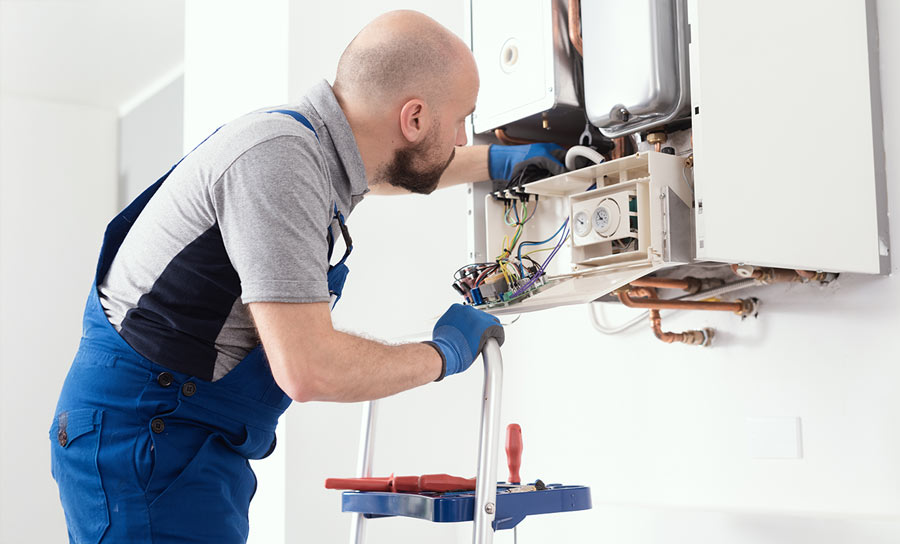
Checking plumbing, heating, and electrical systems
-
Assessing for damp, mould, or structural issues
-
Reviewing compliance with fire safety and health regulations
Documenting all issues helps create a detailed refurbishment plan and ensures nothing is overlooked during the project.
Step 2: Develop a Clear Refurbishment Plan
Once the assessment is complete, develop a comprehensive refurbishment plan that includes:
-
A clear scope of works
-
A realistic budget and cost breakdown
-
Project timelines and milestones
-
Resource allocation, including contractors and materials
A well-structured plan ensures all stakeholders understand expectations, reduces delays, and allows the project to be completed efficiently.
Step 3: Address Health and Safety Compliance
Compliance with health and safety regulations is critical during void refurbishments. This includes:
-
Ensuring gas appliances are safe and certified
-
Electrical safety inspections and necessary repairs
-
Fire safety measures, including smoke alarms and emergency exits
-
Safe handling and removal of hazardous materials
Meeting regulatory requirements protects tenants, reduces legal risks, and ensures the property is legally lettable.
Step 4: Carry Out Essential Repairs
Before cosmetic improvements, essential repairs must be prioritised. Common repairs during a void property refurbishment include:
-
Fixing leaking pipes and faulty plumbing
-
Repairing or replacing damaged roofs, windows, and doors
-
Addressing damp, mould, or water damage
-
Replacing broken fixtures, fittings, and appliances
Focusing on structural and functional issues first ensures the property is safe and ready for further improvements.
Step 5: Improve the Property’s Aesthetics
Once repairs are complete, attention should turn to enhancing the property’s visual appeal. This includes:
-
Painting and decorating walls, ceilings, and woodwork
-
Replacing or refurbishing flooring
-
Updating kitchens and bathrooms if needed
-
Installing new lighting fixtures and fittings
A visually appealing property attracts tenants faster and often allows landlords to achieve higher rental values.
Step 6: Upgrade Energy Efficiency and Comfort
Modern tenants expect properties to be energy-efficient and comfortable. During a void property refurbishment, consider:
-
Installing energy-efficient boilers, radiators, or heating systems
-
Adding insulation to walls, roofs, or floors
-
Upgrading windows to double glazing
-
Fitting energy-saving lighting and appliances
These upgrades not only improve tenant satisfaction but can also reduce utility costs and future maintenance requirements.
Step 7: Conduct a Final Inspection
Before the property is re-let, a final inspection ensures all refurbishment work is completed to a high standard. Key checks include:
-
Confirming all repairs and upgrades have been completed
-
Testing plumbing, heating, and electrical systems
-
Ensuring compliance with safety and housing regulations
-
Checking that cosmetic finishes meet expected quality standards
A thorough inspection minimises the risk of tenant complaints and guarantees the property is ready for immediate occupation.
Step 8: Document the Refurbishment
Keeping detailed records of the refurbishment is essential for property management and compliance purposes. Documentation should include:
-
Work completed and materials used
-
Contractor details and warranties
-
Safety certifications and compliance reports
-
Before-and-after photographs
Proper documentation demonstrates accountability, supports insurance claims if needed, and provides a reference for future maintenance.
Step 9: Prepare the Property for Tenancy
Finally, the property should be fully prepared for new tenants. This includes:
-
Cleaning the property thoroughly
-
Installing locks and security measures
-
Providing tenants with essential information, manuals, and safety guidance
A well-presented property creates a positive first impression and encourages long-term tenancy.
Benefits of a Well-Executed Void Property Refurbishment
Investing time and resources into a professional Void Property Refurbishment delivers multiple benefits:
-
Faster Lettings: Properties are re-let more quickly when they are clean, functional, and attractive.
-
Higher Rental Income: Upgraded and well-maintained properties can command higher rents.
-
Reduced Future Maintenance: Addressing issues proactively reduces the likelihood of emergency repairs.
-
Compliance Assurance: Ensures properties meet all health, safety, and housing regulations.
-
Enhanced Tenant Satisfaction: Comfortable, well-maintained homes improve tenant retention and reduce complaints.
-
Long-Term Asset Protection: Refurbishments help maintain and even increase the property’s market value.
Conclusion
A successful Void Property Refurbishment requires careful planning, attention to detail, and a structured approach. From the initial assessment and planning stage through repairs, upgrades, and final inspections, every step is essential to ensuring the property is safe, compliant, and appealing to tenants.
By following this step-by-step guide, landlords and housing providers can reduce costs, minimise delays, and improve tenant satisfaction. A well-executed refurbishment not only maximises the return on investment but also helps maintain the long-term quality and value of the property.