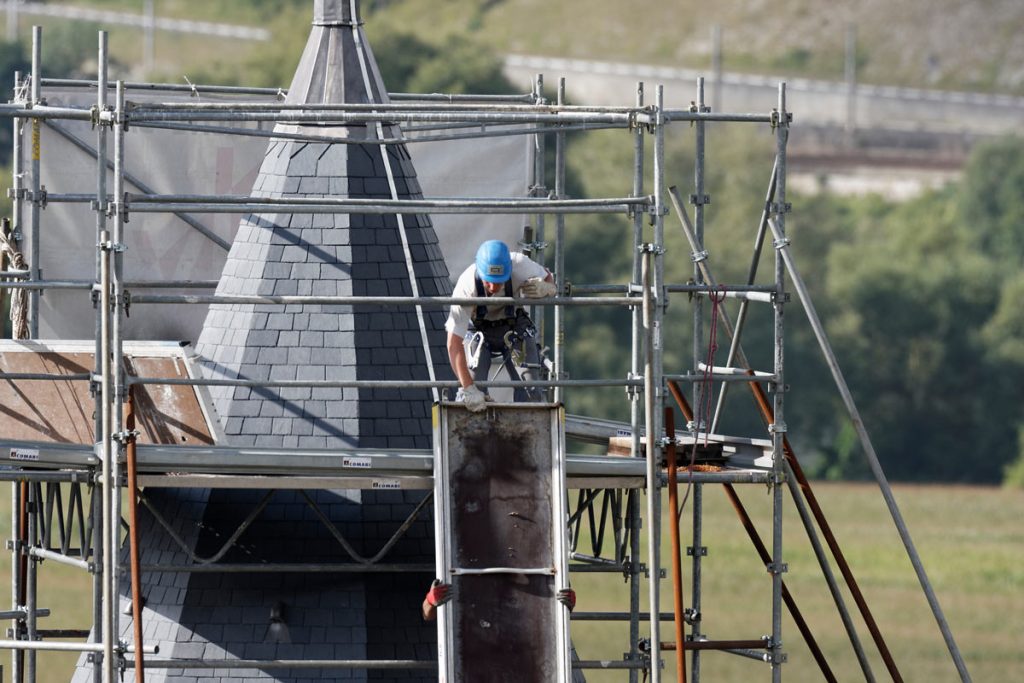
Heritage and listed buildings are an irreplaceable part of the UK’s architectural history. From centuries-old cottages and manor houses to historic churches and town buildings, these properties tell the story of our past. Owning or maintaining one, however, comes with unique responsibilities—particularly when it comes to roofing.
Unlike modern buildings, heritage and listed properties cannot be treated with standard roofing methods or materials. Repairs or replacements carried out incorrectly can cause long-term damage, breach legal requirements, and significantly reduce a building’s historic value. This is why such properties require specialist roofing contractors with the skills, knowledge, and experience to work sensitively and correctly.
What Defines a Heritage or Listed Building?
In the UK, a listed building is one that has been officially recognised as being of special architectural or historic interest. These buildings are legally protected and graded (Grade I, II*, or II) based on their significance. Heritage properties may also include unlisted buildings located within conservation areas or those built using traditional methods and materials.
Roof structures on these buildings are often original or centuries old, constructed with traditional techniques that modern systems are not designed to replicate or replace.
Traditional Roofing Materials Require Specialist Knowledge
One of the primary reasons heritage buildings require specialist contractors is the use of traditional roofing materials, many of which are no longer common in modern construction.
Typical materials include:
-
Natural slate
-
Hand-made clay tiles
-
Stone tiles
-
Lead flashing and detailing
-
Lime mortar instead of cement
These materials behave very differently from modern alternatives. For example, lime mortar is breathable, allowing moisture to evaporate naturally, whereas modern cement traps moisture and can accelerate decay in historic structures.
A specialist heritage roofer understands how to work with these materials in a way that preserves both the roof’s integrity and the building’s ability to “breathe”.
Structural Sensitivity and Load Considerations
Heritage roofs are often supported by timber frames that are hundreds of years old. These structures were designed to work with specific materials and loads. Introducing modern, heavier materials or altering the roof structure can place undue stress on timbers, leading to sagging, cracking, or structural failure.
Specialist contractors are trained to assess historic roof structures carefully and make decisions that respect the original design. Repairs are carried out using a “like-for-like” approach wherever possible, ensuring the building’s balance and performance remain unchanged.
Legal and Planning Requirements Must Be Met
One of the most critical aspects of working on listed buildings is compliance with UK planning and conservation laws. In many cases, Listed Building Consent is required before any roofing work can begin—even for repairs.
Using incorrect materials, altering the roof’s appearance, or failing to gain proper approvals can result in:
-
Legal enforcement action
-
Fines
-
Mandatory reversal of unauthorised work
-
Reduced property value
Specialist heritage roofing contractors are familiar with these regulations and often work closely with local authorities, conservation officers, and surveyors to ensure all work is compliant and properly documented.
Preserving Historic Appearance and Character
The roof plays a major role in a heritage building’s character. The size, colour, texture, and layout of tiles or slates all contribute to the overall appearance of the property.
Standard roofing contractors may focus on speed and efficiency, while specialist heritage roofers prioritise accuracy and authenticity. This includes:
-
Matching existing slates or tiles
-
Retaining as much original material as possible
-
Using traditional fixing methods
-
Maintaining historic roof lines and detailing
This careful approach ensures that repairs blend seamlessly with the existing structure rather than standing out as modern interventions.
Breathability and Moisture Management
Modern buildings rely on membranes and barriers to manage moisture. Heritage buildings function differently, using natural airflow and breathable materials to regulate damp.
Incorrect roofing repairs—such as installing modern underlays or sealants—can disrupt this balance, trapping moisture within the roof structure. Over time, this leads to timber rot, mould, and deterioration of internal finishes.
Specialist contractors understand how to maintain effective moisture management in historic roofs, ensuring longevity without compromising the building fabric.
Repairs Over Replacement: A Conservation-Led Approach
In heritage roofing, repair is always preferred over replacement wherever possible. Many historic roofs have survived for centuries and only require targeted repairs rather than full re-roofing.
Specialist roofers are trained to:
-
Salvage and reuse original materials
-
Repair individual slates or tiles
-
Strengthen existing structures rather than replace them
-
Extend the life of the roof while preserving its authenticity
This approach not only protects the building’s historic value but is often more cost-effective over the long term.
Specialist Skills Take Time to Learn
Heritage roofing is a craft that requires years of hands-on experience. Skills such as slate dressing, leadwork detailing, and lime mortar application are not typically taught in standard roofing training.
Engaging a contractor without this expertise increases the risk of mistakes that may not become apparent until years later—by which time the damage can be extensive and costly to rectify.
The Financial Risk of Using the Wrong Contractor
While specialist heritage roofing may appear more expensive initially, using a non-specialist contractor often proves far more costly.
Potential consequences include:
-
Failed inspections by conservation officers
-
Costly remedial work
-
Reduced property value
-
Loss of historic authenticity
-
Long-term structural damage
Investing in the right contractor protects both the building and your financial interests.
Final Thoughts
Heritage and listed buildings require more than routine roofing services—they demand specialist knowledge, traditional skills, and a conservation-led approach. The roof is not just a protective covering; it is a vital part of the building’s historic fabric.
Whether carrying out minor repairs or major restoration work, choosing a specialist heritage roofing contractor ensures legal compliance, structural integrity, and the preservation of character that makes these buildings so valuable.
For owners of heritage or listed properties, the right roofing expertise is not optional—it is essential for safeguarding the past while protecting the future.