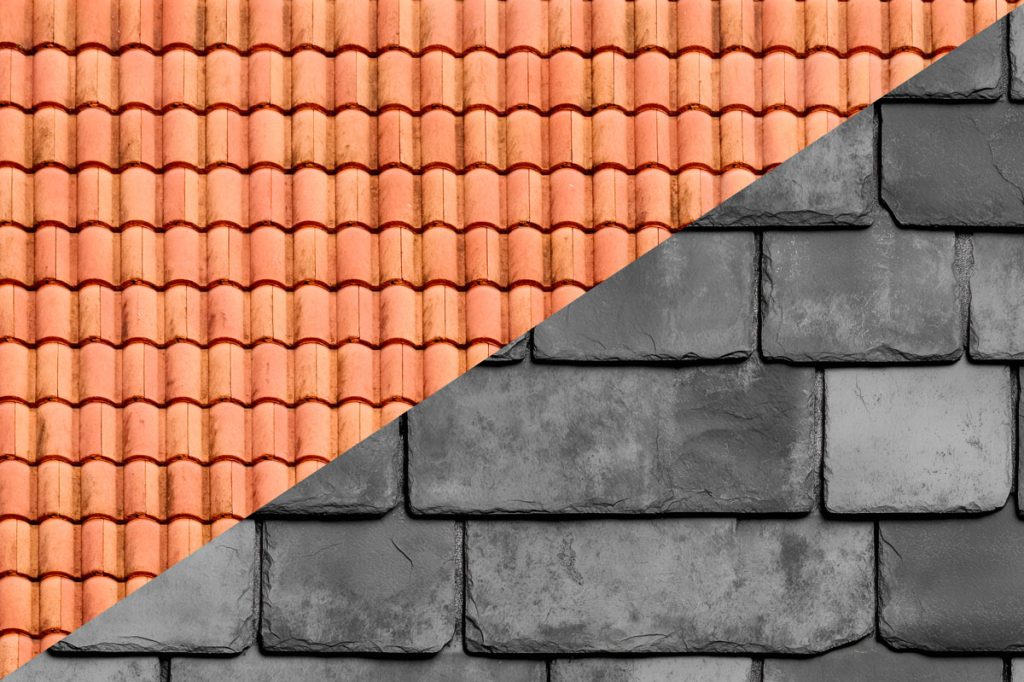
Choosing the right roofing material is one of the most important decisions a homeowner can make. Your roof not only protects your property from the elements, but also plays a major role in its appearance, durability, and long-term value. In the UK, slate and tile roofing are two of the most popular and time-tested options, particularly for pitched roofs.
While both materials are well suited to British weather conditions, they differ significantly in cost, lifespan, maintenance requirements, and aesthetic appeal. This guide explores the pros, cons, and best uses of slate and tile roofing, helping you make an informed decision for your home or property.
Understanding Slate Roofing
Slate is a natural stone material that has been used in UK roofing for centuries. It is especially common on period properties, heritage buildings, and homes in rural or historic areas.
Pros of Slate Roofing
Exceptional durability
Slate is one of the longest-lasting roofing materials available. A well-installed slate roof can last 80–150 years, and in some cases even longer. This makes it a popular choice for homeowners looking for a once-in-a-lifetime roofing solution.
Natural and timeless appearance
Slate provides a distinctive, elegant finish that enhances the character of a property. Its natural colour variations give roofs depth and authenticity that manufactured materials struggle to replicate.
Low maintenance requirements
Due to its density and strength, slate is highly resistant to rot, moss growth, and weathering. Once installed correctly, it requires minimal ongoing maintenance.
Fire and weather resistant
Slate is non-combustible and performs exceptionally well in heavy rain, high winds, and freezing conditions—an important consideration in the UK climate.
Cons of Slate Roofing
Higher upfront cost
Slate is significantly more expensive than tile roofing, both in terms of materials and labour. Installation requires specialist skills, which increases overall costs.
Weight considerations
Slate is heavy, and not all roof structures are designed to support it. In some cases, structural reinforcement may be required, adding to the expense.
Specialist installation and repairs
Not all roofing contractors are experienced in slate work. Poor installation can lead to cracked slates and future issues, making it essential to use a qualified specialist.
Understanding Tile Roofing
Tile roofing is the most common roofing type across the UK. Tiles are typically made from clay or concrete and are available in a wide range of styles, shapes, and colours.
Pros of Tile Roofing
Cost-effective solution
Compared to slate, tiles are more affordable and widely available. Concrete tiles, in particular, offer excellent value for money while still providing good durability.
Versatile appearance
Roof tiles come in a variety of profiles, including plain tiles, interlocking tiles, and pantiles. This makes them suitable for both traditional and modern homes.
Strong and weather resistant
High-quality tiles perform well in the UK’s wet and windy conditions. When installed properly, they offer reliable protection against the elements.
Easier repairs and replacements
Individual tiles can be replaced relatively easily if damaged, making repairs more straightforward and less expensive than slate in many cases.
Cons of Tile Roofing
Shorter lifespan than slate
While durable, tiles generally last 40–70 years, depending on the material and maintenance. This is significantly less than slate.
Higher maintenance requirements
Tiles are more prone to moss and algae growth, particularly in shaded or damp areas. Regular cleaning and inspections are recommended.
Potential for fading and weathering
Over time, some tiles—especially concrete ones—can fade or become porous, affecting their appearance and performance.
Slate vs. Tile: Key Comparisons
| Feature | Slate Roofing | Tile Roofing |
|---|---|---|
| Lifespan | 80–150+ years | 40–70 years |
| Cost | High | Medium to low |
| Appearance | Natural, premium | Wide variety |
| Maintenance | Low | Moderate |
| Weight | Heavy | Moderate |
| Best for | Heritage & high-end homes | Most residential properties |
Best Uses for Slate Roofing in the UK
Slate roofing is best suited for:
-
Period properties and heritage buildings
-
Listed buildings, where traditional materials are often required
-
High-end residential homes
-
Properties in conservation areas
-
Homeowners seeking long-term value over upfront cost
Due to its longevity and appearance, slate is often considered an investment rather than just a roofing material.
Best Uses for Tile Roofing in the UK
Tile roofing is ideal for:
-
Most modern and traditional homes
-
New-build developments
-
Homeowners working within a defined budget
-
Properties requiring a balance of durability and affordability
-
Roof replacements where the existing structure cannot support slate
Tiles offer flexibility in design and are suitable for the majority of residential roofing projects across the UK.
Which Roofing Material Is Right for You?
The choice between slate and tile roofing ultimately depends on several factors:
-
Your budget
-
The age and style of your property
-
Structural considerations
-
Local planning or conservation requirements
-
Long-term maintenance expectations
For heritage or character properties, slate is often the superior choice. For most homeowners, however, tile roofing provides an excellent balance of cost, performance, and appearance.
Final Thoughts
Both slate and tile roofing have proven their reliability in the UK over many decades. The right choice is not about which material is “better,” but which is better suited to your specific property and priorities.
If you are considering a new roof, re-roof, or repair, seeking professional advice is essential. A qualified roofing contractor can assess your roof structure, discuss material options, and ensure your investment delivers long-term protection and value.
For expert guidance tailored to your home, always consult a roofing specialist with experience in both slate and tile systems.