Your roof is one of the most valuable and important parts of your home, yet it is also one of the most misunderstood. Many homeowners unknowingly rely on outdated advice, online misinformation, or well-intentioned assumptions when it comes to roof care. Unfortunately, these roofing myths often lead to delayed repairs, unnecessary replacements, or avoidable damage—costing thousands of pounds in the long run.
In this article, we debunk some of the most common roofing myths in the UK and explain how believing them can directly impact your finances.
Myth 1: “If There’s No Leak, the Roof Is Fine”
One of the most costly misconceptions is that a roof only needs attention once water is coming through the ceiling. In reality, by the time a leak is visible indoors, significant damage has often already occurred.
Cracked tiles, lifted flashing, or deteriorating underlay can allow moisture to enter gradually. This moisture may damage roof timbers, insulation, and ceilings long before any obvious signs appear.
The cost of believing this myth:
Minor issues that could be repaired cheaply escalate into structural damage, rot, and mould—resulting in far higher repair bills.
Myth 2: “A New Roof Isn’t Necessary Until the Old One Completely Fails”
Many homeowners put off roof replacement for as long as possible, believing it is better to wait until the roof is beyond repair. While this may seem cost-effective, it often has the opposite effect.
An ageing roof can cause ongoing issues such as heat loss, water ingress, and repeated repair costs. Planning a re-roof at the right time allows for proper budgeting and avoids emergency work, which is typically more expensive.
The cost of believing this myth:
Repeated call-outs, interior damage, and rushed emergency replacements that cost more than a planned re-roof.
Myth 3: “All Roof Tiles Are Basically the Same”
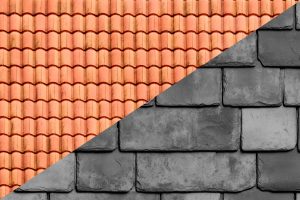
At a glance, roof tiles may look similar, but there are significant differences between materials, profiles, and quality levels. Concrete, clay, and slate tiles all perform differently and have varying lifespans.
Using inappropriate or low-quality tiles can reduce the lifespan of your roof and increase maintenance requirements. Mixing tile types during repairs can also compromise weather resistance and appearance.
The cost of believing this myth:
Premature roof failure, ongoing maintenance issues, and the need for corrective work.
Myth 4: “Roof Repairs Are Simple DIY Jobs”
With online tutorials readily available, some homeowners attempt DIY roof repairs to save money. However, roofing work is far more complex—and dangerous—than it appears.
Incorrectly installed tiles, flashing, or sealants often make problems worse. Additionally, working at height without proper equipment presents a serious safety risk.
The cost of believing this myth:
Poor workmanship leading to repeat repairs, voided warranties, and potentially serious personal injury.
Myth 5: “Moss on the Roof Is Only a Cosmetic Issue”
Moss growth is extremely common on UK roofs, particularly in shaded or damp areas. While it may seem harmless, moss retains moisture and can cause tiles to deteriorate over time.
As moss expands and contracts, it can lift tiles, allowing water to penetrate beneath the roof covering. Blocked gutters caused by moss also increase the risk of water damage.
The cost of believing this myth:
Tile degradation, leaks, and avoidable roof repairs or early replacement.
Myth 6: “Gutters Aren’t Part of the Roofing System”
Many homeowners see gutters as a separate issue from roofing, but in reality, they play a critical role in protecting the roof and the building structure.
Blocked or damaged gutters can cause water to overflow, soaking fascias, soffits, and brickwork. Over time, this leads to rot, damp problems, and even foundation issues.
The cost of believing this myth:
Damage to fascias, soffits, masonry, and internal walls—often far more expensive than routine gutter maintenance.
Myth 7: “A Cheaper Roofer Saves Money”
Choosing the lowest quote may seem sensible, but it often results in substandard workmanship or the use of inferior materials. Roofing is a skilled trade, and quality work requires experience, proper materials, and adherence to regulations.
Poorly installed roofs frequently need corrective work, sometimes within just a few years.
The cost of believing this myth:
Paying twice—once for poor work, and again to have it fixed properly.
Myth 8: “Roof Inspections Are Only Needed After Storms”
While storms can cause visible damage, many roofing issues develop gradually and go unnoticed. Regular inspections help identify wear and tear before it becomes a serious problem.
Annual or bi-annual roof inspections are particularly important for older properties and after seasonal changes.
The cost of believing this myth:
Undetected damage leading to expensive repairs and internal property damage.
Myth 9: “Heritage Roofs Can Be Repaired Like Modern Roofs”
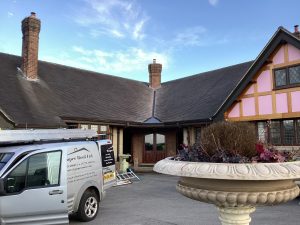
Period and heritage properties often require specialist materials and techniques. Using modern methods on traditional roofs can trap moisture, accelerate decay, and breach conservation guidelines.
This is especially important for listed buildings or properties in conservation areas.
The cost of believing this myth:
Damage to historic fabric, non-compliance with regulations, and costly remedial work.
Myth 10: “Roof Maintenance Is an Unnecessary Expense”
Routine maintenance—such as replacing broken tiles, clearing gutters, and checking flashing—is one of the most cost-effective ways to extend a roof’s lifespan.
Neglecting small issues allows them to escalate into major problems that could have been easily avoided.
The cost of believing this myth:
Shortened roof lifespan and the need for premature replacement.
Final Thoughts
Roofing myths persist because problems are often hidden until they become serious—and expensive. By understanding the reality behind these common misconceptions, homeowners can make informed decisions that protect both their property and their finances.
Regular inspections, professional repairs, and proactive maintenance are not unnecessary costs; they are investments in the long-term health of your home. If you are unsure about the condition of your roof or concerned about potential issues, seeking advice from a qualified roofing professional can save you significant money in the long run.
A well-maintained roof is not just peace of mind—it is one of the smartest financial decisions a homeowner can make.