Choosing the right wardrobe sounds simple at first, until you actually start weighing up the options. Sliding doors, hinged doors, internal layouts, space constraints, aesthetics… it can quickly become a bit more involved than expected.
For homeowners exploring Sliding Wardrobes Southampton, the decision often comes down to one key question: should you go for sliding doors or hinged doors? Both have their place, and neither is universally “better”. It depends quite a lot on your room, your habits, and how you use storage day to day.
This guide breaks down the practical differences so you can make a more informed choice, without getting lost in sales jargon.
The Basics: What’s the Actual Difference?
Before comparing them properly, it helps to be clear on what each system actually involves.
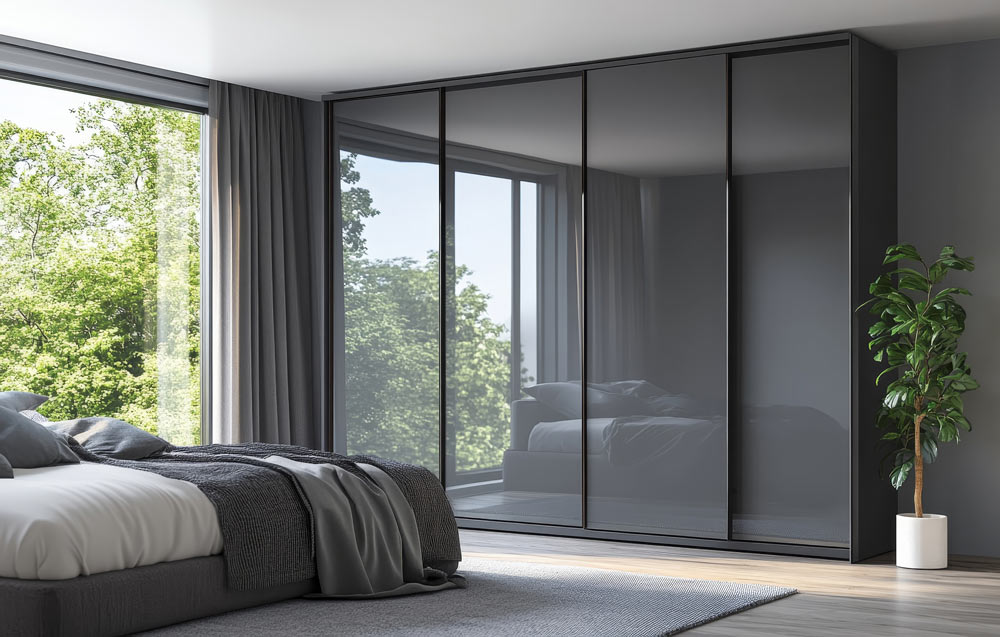
Sliding wardrobes use doors that move horizontally along a track. Instead of opening outward into the room, the panels slide across each other.
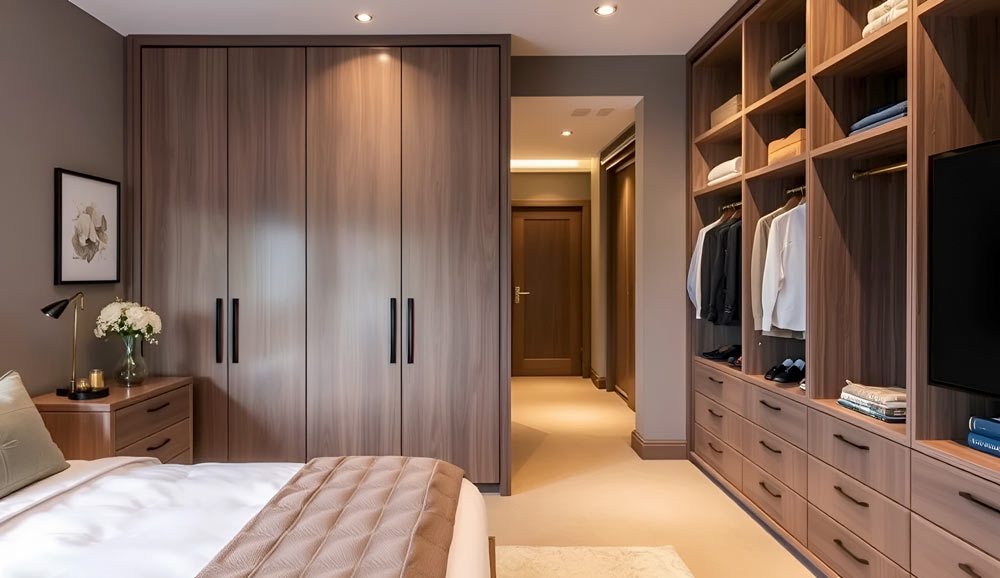
Hinged wardrobes, sometimes called swing-door wardrobes, open outward into the room on hinges, much like a standard door.
That simple mechanical difference has a surprisingly big impact on layout, usability, and design flexibility.
Space Efficiency: Sliding Doors Take the Lead (Usually)
If there is one area where sliding wardrobes tend to stand out, it is space efficiency.
Because the doors don’t swing outwards, you don’t need to account for clearance space in front of the wardrobe. That can be particularly useful in smaller bedrooms or tighter layouts where every inch matters.
This makes sliding systems a popular choice in:
- Compact bedrooms
- Flats and apartments
- Loft conversions
- Rooms with limited walkway space
- Areas with furniture close to the wardrobe
In practical terms, you can place a bed or dressing table closer to a sliding wardrobe without worrying about door swing.
That said, hinged wardrobes can still work perfectly well in larger rooms where space is less restricted. In those cases, the swing space often isn’t an issue at all.
Access and Visibility: Hinged Wardrobes Feel More Open
While sliding doors save space, hinged wardrobes often offer better full access to the interior.
With a hinged system, you can open the entire wardrobe at once, giving a complete view of all sections. That can make it easier to organise clothing, especially if you like to see everything at a glance.
Sliding wardrobes only reveal part of the interior at any one time. Even with well-designed layouts, you are always viewing one section at a time.
This can matter more than people expect, particularly if you:
- Share a wardrobe
- Have a large clothing collection
- Prefer visual organisation
- Use multiple hanging sections regularly
So while sliding systems are neat externally, hinged doors often win on usability inside.
Aesthetic Style: Depends on the Look You Want
From a design perspective, both wardrobe types can look excellent, but they create very different visual effects.
Sliding wardrobes tend to feel:
- Modern
- Minimal
- Clean and uninterrupted
- Ideal for large mirrored panels or bold finishes
They are often chosen in contemporary interiors where simplicity is key.
Hinged wardrobes, on the other hand, often feel:
- More traditional or classic
- Slightly more “furniture-like”
- Flexible in terms of detailing and panel design
- Suitable for shaker or framed styles
In many Sliding Wardrobes Southampton projects, sliding doors are used to achieve a sleek, built-in appearance that blends into the wall. However, hinged wardrobes can sometimes feel warmer or more characterful depending on the finish.
Neither is inherently more stylish—it depends on the tone of the room.
Storage Design Flexibility
This is where things become more nuanced.
Hinged wardrobes generally offer slightly easier access for complex internal layouts. Because the entire wardrobe opens at once, it is simpler to include detailed storage features such as:
- Full-width shelving
- Pull-out drawers
- Jewellery organisers
- Split hanging sections
Sliding wardrobes can still include all of these features, but access is more segmented. Designers often need to plan layouts carefully so that each sliding panel aligns with a useful section.
That said, sliding wardrobes often work very well with symmetrical layouts and can feel very organised when designed properly.
Durability and Maintenance
Both systems can be long-lasting when properly installed, but they do have different maintenance considerations.
Sliding doors rely on track systems and rollers. Over time, these may need occasional adjustment or cleaning to keep movement smooth. Poor-quality tracks can become stiff or misaligned.
Hinged doors are mechanically simpler, but they depend heavily on hinge quality and alignment. Over years of use, doors may need minor adjustments to stay perfectly level.
In practice:
- Sliding systems may require more attention to tracks
- Hinged systems may require occasional hinge tightening
Neither is particularly high-maintenance, but they do age differently.
Lighting and Mirror Options
Both wardrobe types can incorporate mirrors and lighting, but sliding wardrobes are often chosen when large mirrored surfaces are desired.
A full-length mirrored sliding door can:
- Make a room feel larger
- Reflect natural light
- Reduce the need for separate mirrors
Hinged wardrobes can also include mirrors, but they are usually split across doors rather than forming one continuous surface.
Integrated LED lighting is available in both styles, though hinged wardrobes sometimes allow easier installation of internal lighting due to simpler access.
Cost Considerations
Pricing varies significantly depending on materials, internal layout and finish quality, but there are some general tendencies.
Sliding wardrobes are often slightly more expensive due to:
- Track systems
- Larger door panels
- More complex installation requirements
Hinged wardrobes can sometimes be more cost-effective, especially in simpler designs.
However, once you move into bespoke fitted solutions, the gap often narrows. At that point, design complexity matters more than door type.
Which Works Better in Small Bedrooms?
For smaller rooms, sliding wardrobes are usually the more practical option.
The lack of door swing space means you can maximise floor area more efficiently. This is particularly useful in modern UK homes where bedrooms are often compact.
That said, hinged wardrobes can still work well if:
- The layout is carefully planned
- There is enough clearance space
- The room benefits from full access to storage
So while sliding systems are often preferred, it is not an absolute rule.
Which Works Better in Larger Bedrooms?
In larger bedrooms, the decision becomes more about preference than necessity.
Hinged wardrobes can feel more accessible and traditional, while sliding wardrobes can create a sleek, hotel-style finish.
At this point, many homeowners choose based on:
- Interior design style
- Storage habits
- Desired visual impact
Large rooms also make it easier to experiment with both mirrored and panelled designs without worrying about space constraints.
Final Thoughts: There Is No Single Winner
The truth is, neither sliding nor hinged wardrobes are universally better. Each solves slightly different problems.
Sliding systems tend to excel in tighter spaces and modern, streamlined interiors. Hinged wardrobes often offer better access and a more traditional feel.
For homeowners considering Sliding Wardrobes Southampton, the key is less about following trends and more about how the space will actually be used day to day.
A well-designed fitted wardrobe—regardless of door type—should feel natural in the room, easy to use, and quietly improve how the space functions without drawing attention to itself.
At that point, the “better” choice is usually the one that simply fits your life a little more comfortably.