Living in the UK means your roof faces a constant battle against unpredictable and often extreme weather conditions. From heavy rainfall and strong winds to freezing temperatures and even the occasional heatwave, every season presents its own set of challenges. Over time, this exposure can cause significant wear and tear to even the most well-built roofs.
At Horbury Roofing Services, we’ve spent over 20 years repairing and maintaining roofs across Yorkshire, helping homeowners deal with weather-related damage before it becomes a serious problem. In this blog, we’ll explore the most common roofing issues caused by poor weather in the UK and how you can protect your property all year round.
The Impact of the British Climate on Roofs
The UK’s climate is defined by its variety. While we don’t often experience extremes like other parts of the world, our consistent exposure to wind, rain, frost, and dampness makes roofs particularly vulnerable. These small but frequent weather changes cause gradual damage — often unnoticed until the problem becomes severe.
Understanding how different weather conditions affect your roof is the first step towards preventing costly repairs or replacements.
1. Damage from Heavy Rainfall
Rain is one of the biggest culprits when it comes to roofing problems in the UK. While most roofs are designed to withstand wet weather, prolonged exposure and poor drainage can lead to several issues.
Common Problems:
- Leaks and water ingress – Persistent rain can penetrate small cracks in roof tiles, flashing, or joints.
- Damaged underlay – If moisture reaches the underlay, it can rot, leading to damp patches inside your home.
- Blocked gutters – Debris carried by rainwater can clog gutters and downpipes, causing overflow and water damage to fascias and walls.
Prevention Tips:
Regularly check and clean your gutters, inspect roof tiles for cracks, and ensure flashing is securely fitted. Even small maintenance steps can prevent serious water damage.
2. Wind Damage
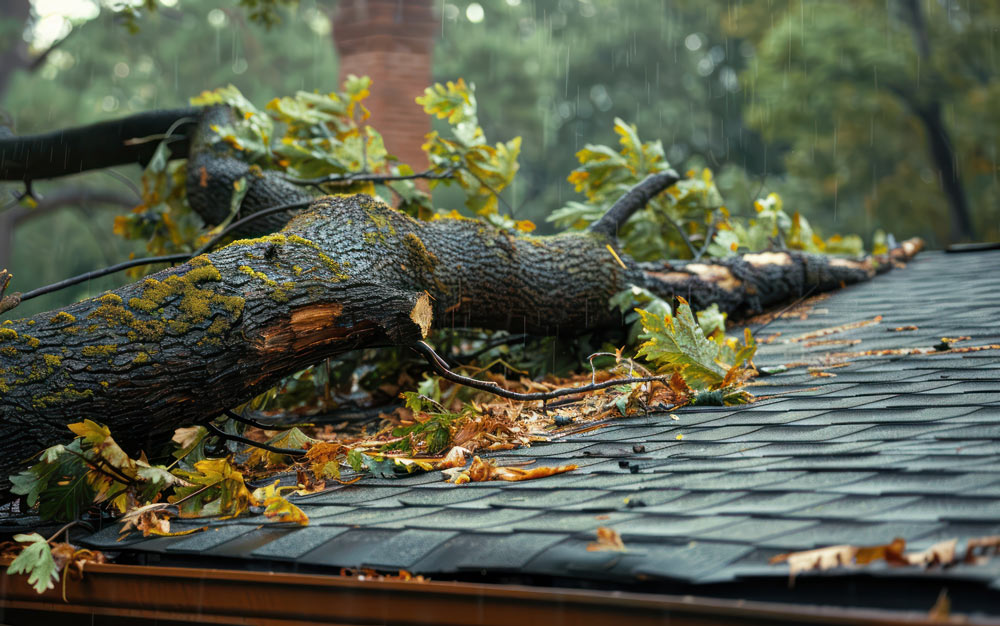
High winds are a common occurrence across the UK, especially during autumn and winter storms. Strong gusts can lift roof tiles, loosen flashing, or even cause structural damage if left unchecked.
Common Problems:
- Dislodged or missing tiles – Exposed areas allow rainwater to penetrate and cause leaks.
- Loose ridge tiles – These are particularly vulnerable to wind uplift.
- Debris impact – Falling branches and flying debris can crack tiles or damage gutters.
Prevention Tips:
Inspect your roof after heavy winds for any missing or cracked tiles. Keep nearby trees trimmed and ensure ridge tiles and flashing are securely fixed.
At Horbury Roofing Services, we frequently repair storm damage and can carry out full inspections after severe weather to ensure your roof remains watertight.
3. Frost and Snow Damage
Although snow is less common in some parts of the UK, freezing temperatures are a regular challenge. The freeze-thaw cycle — where trapped water freezes, expands, and then melts — can cause significant long-term damage.
Common Problems:
- Cracked tiles or slates – Water seeps into small gaps and expands when frozen, cracking the material.
- Blocked gutters – Ice build-up prevents proper drainage, causing leaks and water overflow.
- Condensation – Poor ventilation can lead to condensation in the loft, encouraging mould and rot.
Prevention Tips:
Ensure your loft is properly insulated and ventilated to reduce condensation. Keep gutters clear before winter, and consider a professional inspection before cold weather sets in.
4. Heat and Sun Exposure
While the UK is better known for rain than sunshine, we do experience periods of hot weather that can also impact roofing materials. Prolonged heat can dry out roof components, causing them to become brittle and less effective.
Common Problems:
- Cracked felt or asphalt – Flat roofs are particularly vulnerable to heat damage.
- Warped tiles – Prolonged UV exposure can cause tiles to warp or fade over time.
- Sealant deterioration – The heat can cause expansion and contraction, weakening seals around flashing and vents.
Prevention Tips:
Schedule regular roof maintenance to identify early signs of cracking or material fatigue. Modern roofing materials offer improved UV resistance — something to consider if you’re replacing your roof.
5. Moss and Algae Growth
The UK’s damp climate provides the perfect environment for moss, algae, and lichen to grow on roof surfaces, particularly on shaded areas. While moss might seem harmless, it can lead to serious issues over time.
Common Problems:
- Tile displacement – Moss absorbs water, which can freeze and expand, lifting tiles.
- Blocked gutters – Moss runoff clogs gutters and downpipes, causing overflow.
- Reduced lifespan – Excess moisture trapped by moss can shorten the life of your roofing materials.
Prevention Tips:
Have your roof professionally cleaned and treated with a biocide solution to prevent regrowth. Avoid power washing, as it can damage tiles and remove protective coatings.
6. Poor Drainage and Standing Water
Flat roofs are especially susceptible to poor drainage. If water cannot flow away freely, it can pool on the surface, leading to deterioration and leaks.
Common Problems:
- Water ponding – Persistent standing water weakens roof membranes.
- Blistering and cracks – Water penetration causes bubbling or cracking of the roof surface.
- Structural strain – Excess weight from standing water can stress roof timbers.
Prevention Tips:
Ensure your roof has sufficient slope for proper drainage. Regular inspections help identify early signs of sagging or poor runoff before major damage occurs.
How to Protect Your Roof from Weather Damage
While you can’t control the weather, you can take practical steps to reduce the risk of damage and prolong your roof’s lifespan.
1. Schedule Regular Roof Inspections
A professional inspection at least once a year helps identify potential problems early. At Horbury Roofing Services, we provide detailed roof surveys to ensure your roof stays in top condition.
2. Maintain Gutters and Downpipes
Clean gutters regularly to prevent water overflow and damage to your roofline. Blocked drainage is one of the most common causes of water-related roof issues.
3. Check After Storms
After severe weather, visually inspect your roof from the ground for missing tiles, debris, or visible damage. Prompt repairs can prevent leaks and further deterioration.
4. Keep Trees Trimmed
Overhanging branches can scrape against roof tiles and cause blockages in gutters. Regular trimming reduces the risk of impact damage during storms.
5. Invest in Quality Roofing Materials
When it’s time for repair or replacement, opt for high-quality materials suited to the British climate. A well-installed, durable roof will stand up far better to changing weather conditions.
When to Call the Professionals
If you notice missing tiles, water stains, or signs of dampness, don’t delay. Small issues can escalate quickly, leading to costly structural repairs.
At Horbury Roofing Services, we specialise in roof repairs, full roof replacements, and flat roofing solutions. With over 20 years of experience, we know how to diagnose weather-related damage and provide effective, long-lasting solutions.
Our team offers free, no-obligation inspections and transparent quotes, ensuring you always understand the condition of your roof before any work begins.
Final Thoughts
The UK’s ever-changing weather can take a real toll on your roof — but with regular maintenance, early detection, and professional care, you can protect your home from the worst of the elements.
Whether it’s heavy rain, strong winds, frost, or moss growth, staying proactive is the key to keeping your roof in great condition year-round.
If you’ve noticed signs of weather-related roof damage or simply want peace of mind, contact Horbury Roofing Services today. Our experienced roofers will carry out a thorough inspection, identify any potential issues, and ensure your roof remains secure and weatherproof for years to come.