Choosing the right roofing material in 2025 means balancing durability, appearance, cost and environmental performance. With two decades’ experience protecting homes across Yorkshire, Horbury Roofing Services recommends materials that suit the UK climate, planning rules, and modern energy needs. Below we explain the leading options, their strengths and which types of property they suit best.
Natural slate — timeless and long-lasting
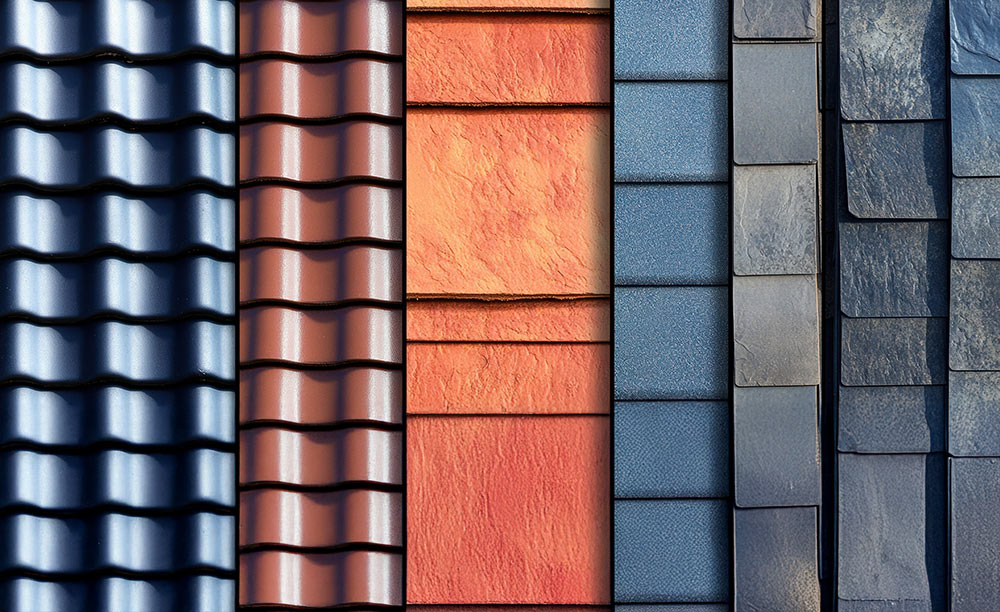
Natural slate remains the premium choice for longevity and classic appearance. High-quality slate roofs can last well over a century, resist frost and UV, and require minimal maintenance. They are heavier and costlier to install, and many older properties need reinforced rafters to take the load — but for period and heritage properties, slate is often the best match. Slate’s long life makes it economical over decades despite the higher upfront cost.
Clay tiles — character and longevity
Clay (plain or pantile) offers authentic colour and shape that suits many traditional and new homes. Clay tiles can last 80–100 years when properly installed and are highly weather-resistant. They’re ideal for conservation areas or where a warm, traditional finish is required. Like slate, clay is relatively heavy and typically costs more than concrete alternatives, but performs superbly in the UK climate.
Concrete tiles — cost-effective and versatile
Concrete tiles are among the most common choices for modern UK homes thanks to their affordability, wide range of profiles and good durability. They’re lighter than natural slate and cheaper than clay, with typical lifespans of several decades. Concrete is prone to cosmetic fading and can be susceptible to moss in very damp locations, so regular cleaning and inspection will keep performance high. For homeowners seeking a balance between cost and aesthetics, concrete tiles are a dependable option.
Metal roofing — modern, durable, energy-efficient
Metal roofs (steel, aluminium, or standing seam systems) have become more popular on UK homes for their longevity (often 40–70 years), low maintenance and energy benefits — they reflect heat, can be lighter than tiles, and are recyclable at the end of life. Metal suits contemporary builds, extensions and low-pitch roofs; it also pairs well with solar PV systems. Upfront costs are higher than concrete tiles, and professional installation is essential to avoid leaks and noise issues, but the long service life and performance make metal a strong choice for 2025.
Flat roof options — EPDM, GRP, TPO and single-ply membranes
Flat roofs require different materials than pitched roofs. In 2025, the market favours three main contenders:
- EPDM rubber: durable, flexible and available in large seam-free sheets ideal for quick installation. EPDM is renowned for long service life and resistance to UV and weathering.
- GRP (fibreglass): provides a seamless, tough finish that can last decades when expertly installed. It suits small domestic flat roofs, dormers and extensions where aesthetics matter.
- TPO / single-ply membranes: thermoplastic options offering UV resistance and energy benefits; growing in use for new builds and refurbishment projects. Each system has trade-offs in cost, installation complexity and life expectancy.
Selecting the right flat-roof material hinges on roof size, access, expected foot traffic and budget — and always on correct detailing at upstands, outlets and joins.
Sustainable and modern choices — green roofs & solar integration
Green roofs (sedum and biodiverse systems) are increasingly viable on suitable properties, adding insulation, slowing rainwater runoff and supporting wildlife. Likewise, integrating solar PV with a roof replacement can reduce lifetime running costs and improve energy performance. Material choice and installation must consider loadings, waterproofing and warranty compatibility when combining PV or green systems with tiles, metal or flat membranes.
How to choose the best material for your home
When selecting roofing material, weigh these practical factors:
- Lifespan vs cost — invest more up front for lower long-term maintenance costs (e.g., slate/metal).
- Property style and planning — conservation areas or listed buildings often require traditional materials.
- Roof pitch and structure — low pitches favour metal or single-ply membranes; steep pitches suit slate or tiles.
- Maintenance and exposure — coastal or heavily shaded roofs may need more frequent checks and specific materials (salt-resistant metals, anti-moss treatments).
- Environmental goals — if reducing carbon or adding solar is a priority, choose materials and systems compatible with PV or green roofs.
Installation and workmanship matter
No roofing material performs to its potential without correct installation and good detailing. Flashings, guttering, ventilation and insulation are as critical as the tiles or membranes themselves. Modern warranties often depend on certified installation, so always use a reputable, experienced roofing contractor who provides guarantees and complies with building regulations.
Maintenance tips to protect your investment
Regular maintenance extends every roof’s life: clear gutters twice yearly, remove moss and debris, inspect after storms, and schedule a professional survey every few years. Prompt repair of slipped tiles, loose flashings or blocked outlets prevents minor issues from becoming expensive problems.
Final thoughts — what’s best in 2025?
There’s no single “best” material for every UK home in 2025. For heritage properties, natural slate or clay tiles remain unbeatable for authenticity and longevity. For modern builds and lightweight solutions, metal roofing offers durability and energy benefits. For flat roofs, EPDM and GRP lead for lifespan and watertight performance. Your ideal choice depends on style, structure, budget and long-term goals — and on selecting an installer who will get the details right.
If you’re considering a re-roof or unsure which material suits your property, Horbury Roofing Services provides free, no-obligation surveys across Yorkshire. With 20+ years’ experience, we’ll assess structure, planning constraints and energy goals, then recommend the most cost-effective, long-lasting solution for your home.