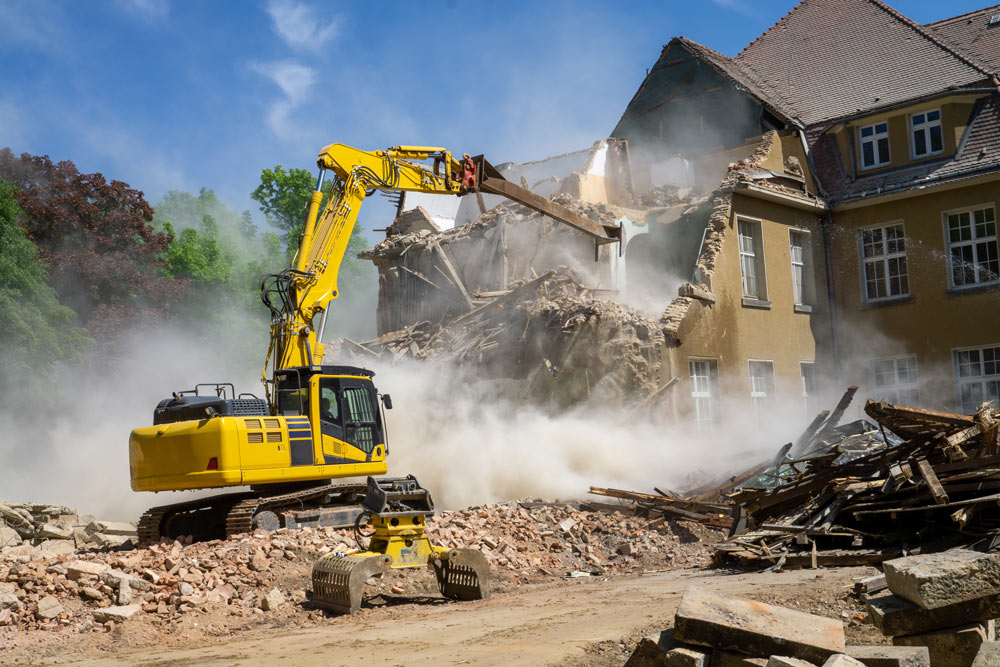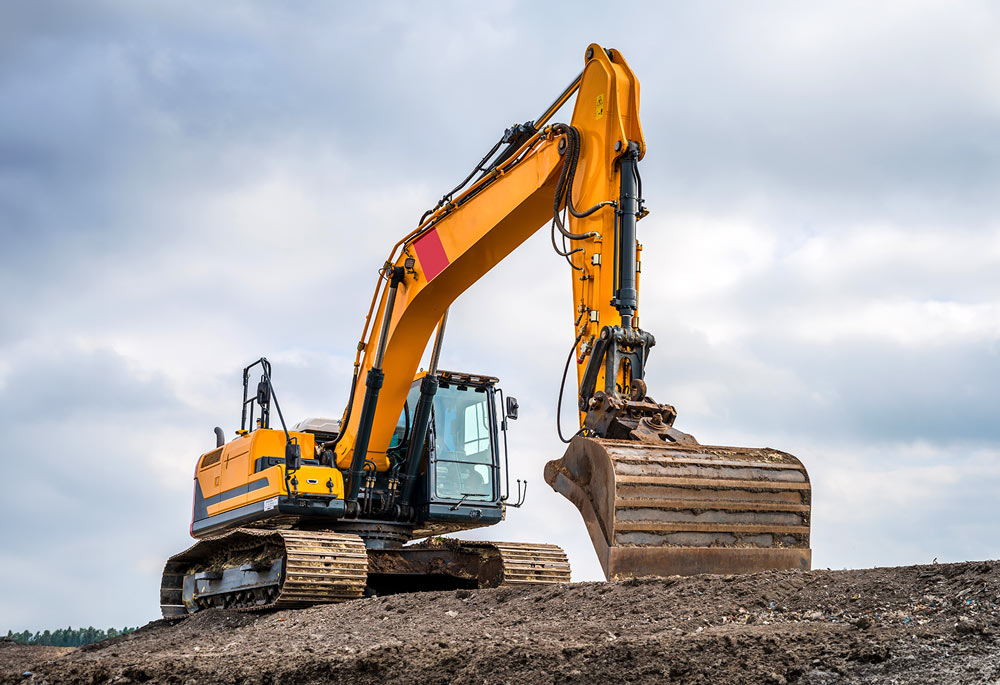
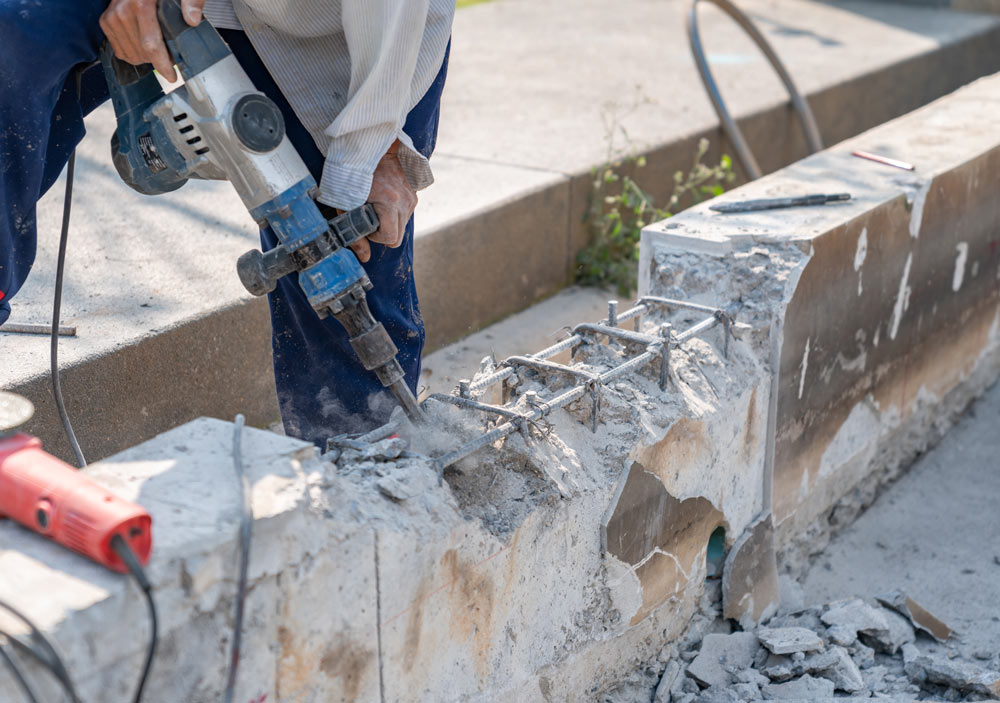
When most people think of demolition, they picture heavy machinery tearing down walls and buildings in dramatic fashion. While this image holds some truth, there’s a vital first step in the process that often goes unnoticed — soft stripping. This preparatory phase is a critical part of any demolition project and plays a major role in ensuring safety, efficiency, sustainability, and cost-effectiveness.
In this blog post, we’ll explore what soft stripping is, why it’s so important, and how it benefits your project in the short and long term.
What Is Soft Stripping?
Soft stripping refers to the removal of non-structural, internal elements from a building prior to full demolition or refurbishment. This process includes the careful extraction of:
-
Fixtures and fittings (e.g., lighting, shelving, HVAC units)
-
Internal walls and partitions
-
Ceilings and flooring materials
-
Doors and windows
-
Wiring, cabling, and plumbing
-
Furniture and non-load-bearing components
Essentially, it’s everything that can be removed without affecting the structural integrity of the building.
Soft stripping is usually the first stage of a demolition or renovation project and must be carried out by trained professionals following strict health and safety guidelines.
Why Is Soft Stripping Important?
1. Improves Site Safety
Safety is the number one priority on any demolition site. By removing internal elements before heavy machinery is brought in, soft stripping reduces hazards such as loose debris, trip risks, hidden electrical systems, and unpredictable material collapses.
Soft stripping also allows teams to identify and isolate utilities, like gas, electricity, and water, minimising the risk of accidental leaks, fires, or electrocution during the main demolition phase.
2. Protects Reusable and Valuable Materials
Many of the items inside a building — such as radiators, wooden floors, light fittings, or metal piping — have value. Soft stripping allows these materials to be carefully removed and salvaged before the structure is taken down. This not only helps reduce waste but also provides the opportunity for resale, reuse, or recycling.
For clients, this can offset the overall cost of demolition and contribute to environmental targets.
3. Supports Recycling and Environmental Responsibility
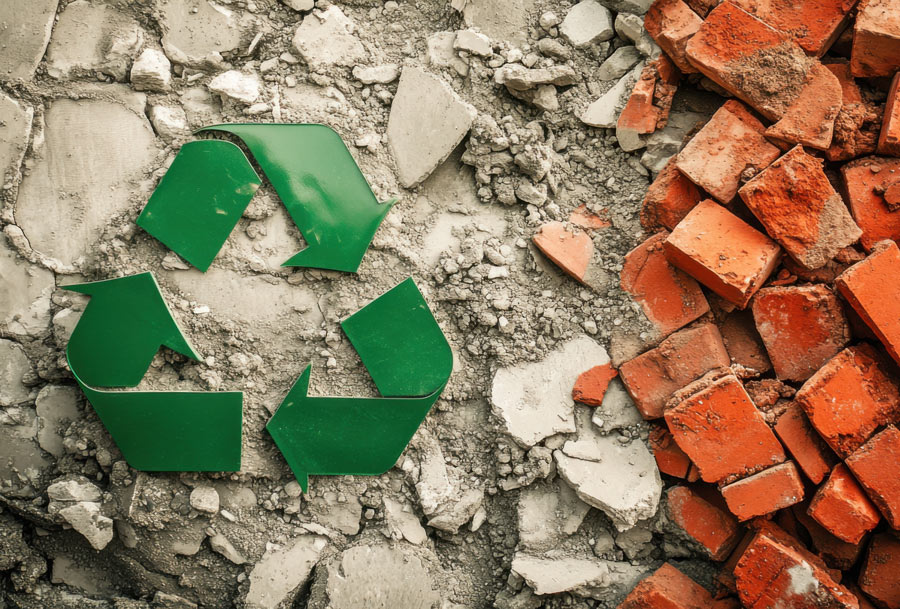
Modern demolition practices prioritise sustainability, and soft stripping is key to this. Removing non-structural materials first enables contractors to separate and sort waste more effectively, increasing the percentage that can be recycled.
Materials commonly recycled during soft stripping include:
-
Wood
-
Metal
-
Plastic
-
Glass
-
Cabling
-
Plasterboard
By reducing the volume of waste sent to landfill, soft stripping helps companies meet environmental regulations, enhance their green credentials, and minimise environmental impact.
4. Enables Hazard Identification and Removal
Older buildings may contain hazardous materials such as asbestos, lead paint, or contaminated insulation. Soft stripping allows these materials to be located and removed safely before full-scale demolition begins.
In the UK, strict regulations (e.g., the Control of Asbestos Regulations 2012) require these substances to be professionally identified and handled. Soft stripping provides the access and controlled environment needed to do this properly, ensuring compliance and reducing risk to workers and the public.
5. Ensures a More Efficient Demolition Process
Removing soft elements in advance creates a cleaner, more predictable structure for demolition teams. Without hanging wires, partitions, or interior fixtures in the way, machinery can work more efficiently and operators can better plan the demolition sequence.
This leads to:
-
Faster turnaround times
-
Less wear and tear on equipment
-
Reduced labour costs
-
Fewer delays caused by unforeseen obstructions
In short, soft stripping streamlines the entire process.
6. Improves Cost Control
Although soft stripping adds a stage to the demolition process, it often saves money overall. Here’s how:
-
Reduces waste disposal costs by sorting materials
-
Recovers assets for resale or reuse
-
Minimises equipment damage from hidden obstructions
-
Prevents delays from discovering hazards mid-demolition
-
Limits potential fines or liabilities linked to improper disposal
Soft stripping is an investment that improves project control and financial planning.
7. Essential for Refurbishment Projects
In refurbishment jobs, the main structure of the building remains intact. Soft stripping is used to clear out the interior while preserving the walls, foundations, and exterior shell. This makes it a precise operation requiring careful planning and execution.
Whether you’re repurposing an office, converting a factory, or modernising an old building, soft stripping allows for a clean slate while retaining key structural components.
Who Carries Out Soft Stripping?
Soft stripping should be performed by trained and accredited professionals, often as part of a larger demolition or refurbishment contract. At Bingley Demolition, our experienced teams carry out soft stripping with meticulous attention to safety, environmental responsibility, and material recovery.
We are fully accredited by CHAS, SMAS, and Constructionline, and we ensure every soft strip is documented, compliant, and aligned with the wider project goals.
Final Thoughts
Soft stripping might not be the most visible part of a demolition project, but it is one of the most important. From reducing hazards and protecting reusable materials to improving efficiency and meeting environmental standards, this process lays the groundwork for a safe and successful demolition.
Whether you’re planning a full-scale site clearance or a commercial refurbishment, make sure soft stripping is part of your project plan — and trust experienced professionals like Bingley Demolition to get it right.
Need soft stripping or demolition services in Yorkshire?
Contact Bingley Demolition today to discuss your project and get expert advice from our friendly, knowledgeable team.