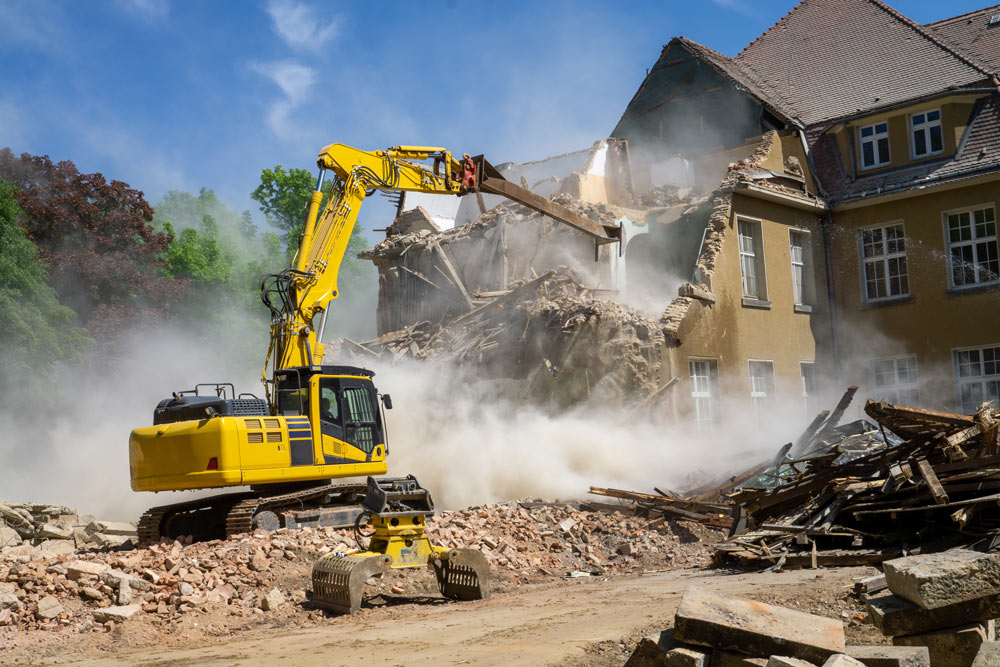
When planning a demolition project, most people focus on the cost of tearing down the structure and disposing of waste. However, there’s a valuable and often overlooked opportunity that can significantly reduce overall costs: asset recovery.
By identifying, salvaging, and repurposing valuable materials and equipment from a building before demolition, asset recovery transforms waste into opportunity. It’s a smart, sustainable approach that benefits both your budget and the environment.
In this blog, we’ll explore what asset recovery is, how it works, and why it should be a key part of your demolition strategy.
What Is Asset Recovery?
Asset recovery is the process of identifying and reclaiming usable or valuable items from a building before or during demolition. These assets may include:
-
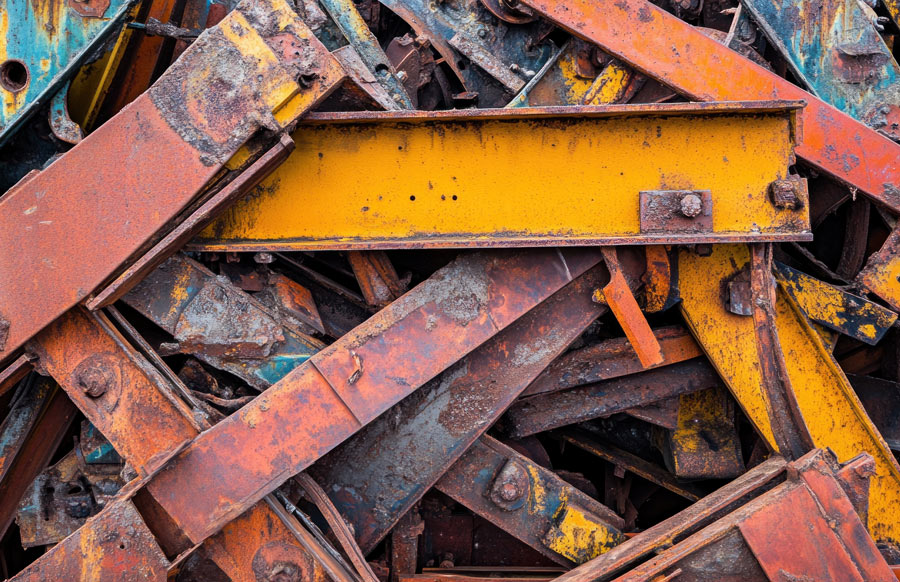
Metals (e.g. steel, copper, aluminium)
-
Mechanical and electrical equipment
-
Architectural features (e.g. doors, windows, fireplaces)
-
Furniture and fittings
-
Bricks, tiles, and timber
-
HVAC systems, boilers, and generators
Rather than sending these items to landfill, asset recovery gives them a second life — through reuse, resale, or recycling — and allows clients to recoup some of the project costs.
Why Is Asset Recovery Important?
Modern demolition is about more than just bringing down buildings — it’s about doing so in a way that is economical, responsible, and efficient. Asset recovery is a critical part of that, and here’s why:
-
It lowers waste disposal costs
-
It offsets demolition expenses
-
It supports environmental goals
-
It unlocks resale value from existing assets
-
It preserves historic or high-value architectural elements
Let’s take a closer look at how each of these factors contributes to cost savings.
1. Reducing Waste Disposal Costs
Disposing of demolition waste can be expensive. Landfill charges, skip hire, haulage, and recycling centre fees all add up quickly. By recovering valuable materials and items before demolition begins, you can significantly reduce the volume of waste, lowering these associated costs.
For example, removing and selling reusable metals can reduce the weight of material sent to landfill — which is typically charged by the tonne — and eliminate some transport costs in the process.
2. Offsetting Project Costs with Resale Value
Recovered assets often have market value, especially in commercial or industrial demolitions where items like machinery, electrical units, or HVAC systems can be resold. Even reclaimed materials like hardwood flooring, bricks, or roof tiles have value in the salvage market.
These items can be:
-
Sold directly to buyers
-
Auctioned through reclamation dealers
-
Donated to reduce taxable profits (in some cases)
-
Reused in the client’s future construction projects
All of this can offset the overall cost of demolition, making it a financially smarter strategy.
3. Supporting Green and Sustainable Practices
More and more clients — especially commercial developers — are prioritising sustainability in construction and demolition. Asset recovery aligns perfectly with this goal.
By reusing and recycling materials, you’re:
-
Reducing carbon emissions
-
Minimising environmental impact
-
Avoiding unnecessary manufacturing of new materials
This not only meets environmental regulations but can also enhance a company’s green credentials, improving brand reputation and helping meet planning or BREEAM requirements.
4. Avoiding Unnecessary Replacement Costs
In some refurbishment projects, certain systems or components can be reused onsite — saving the client the cost of buying new ones. For example:
-
Doors, radiators, and lighting fixtures can be refitted
-
Brickwork and tiles can be used in extensions or repairs
-
Timber and steel beams can be cut and reused in new frames
When reused properly, these recovered assets provide the same functionality at a fraction of the cost, with the added benefit of maintaining architectural consistency in older buildings.
5. Preserving Heritage and Character
In heritage or listed buildings, certain features — like stone facades, fireplaces, stained glass, or cornices — may need to be preserved either for compliance or for future reuse. Asset recovery allows these features to be:
-
Carefully removed
-
Professionally restored
-
Integrated into the new structure
This not only preserves the architectural value of the project but can increase the resale or rental value of the finished property.
The Asset Recovery Process: Step-by-Step
At Bingley Demolition, we approach asset recovery with the same care and professionalism as any other part of the demolition process. Here’s how we typically carry it out:
1. Initial Site Assessment
We identify recoverable materials and components early in the planning stage, often working with the client to determine priorities.
2. Inventory and Valuation
We catalogue valuable assets and assess their potential resale or reuse value, helping the client make informed decisions.
3. Safe Removal
Our trained team carefully dismantles items using non-destructive methods, ensuring minimal damage and maximum reuse potential.
4. Sorting and Storage
Recovered items are sorted, labelled, and stored securely for collection, sale, or reuse on site.
5. Disposal and Documentation
We provide detailed documentation of recovered assets and ensure any remaining waste is disposed of responsibly.
Who Benefits From Asset Recovery?
Asset recovery is particularly valuable in:
-
Commercial and industrial demolitions with mechanical and electrical assets
-
Refurbishment projects where materials can be reused
-
Large-scale residential demolitions with quality fixtures
-
Heritage buildings with reusable or historically significant elements
Clients include developers, local authorities, building owners, and even architects looking to retain design elements.
Final Thoughts
Demolition doesn’t have to mean destruction. With proper planning and the right team, you can extract real value from buildings before they come down — both financially and environmentally. Asset recovery is a key part of modern, responsible demolition, offering a smarter way to manage materials, reduce waste, and improve project outcomes.
At Bingley Demolition, we specialise in safe, efficient, and value-driven demolition projects across Yorkshire. Our asset recovery services help clients save money, reduce landfill, and support sustainability goals — all while maintaining the highest standards of safety and professionalism.
Planning a demolition project?
Get in touch with Bingley Demolition to find out how asset recovery can make a difference to your bottom line.