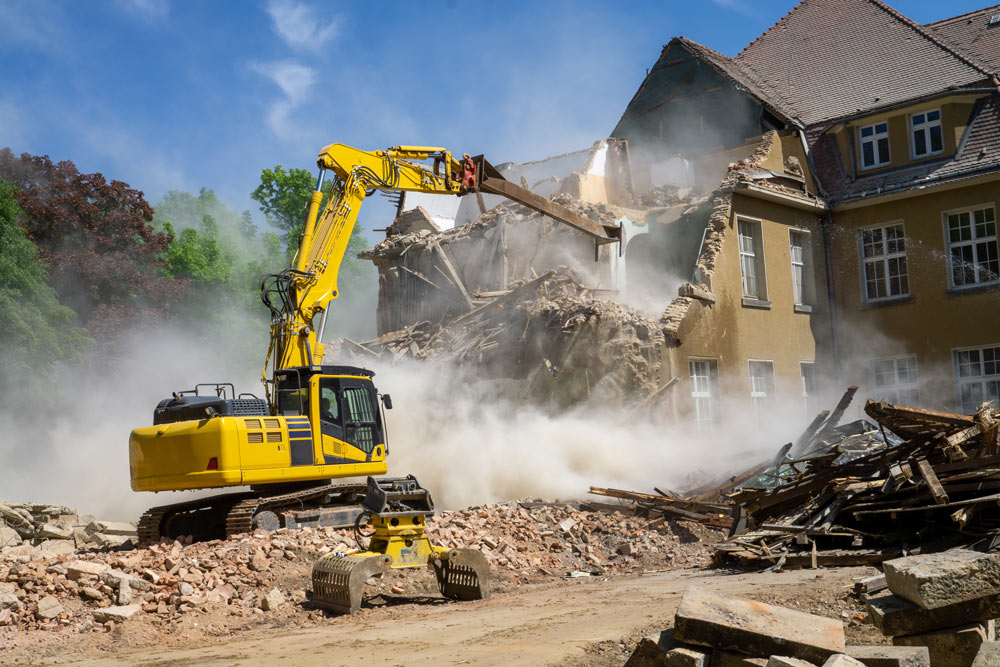
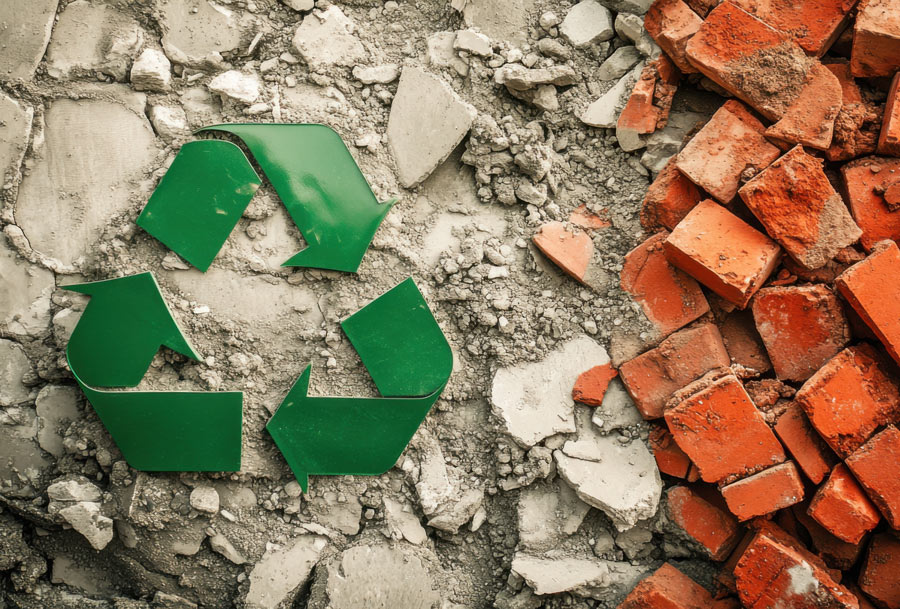
The word “demolition” often brings to mind dust, debris, and destruction — but in today’s construction world, the industry is shifting toward something far more responsible: sustainable demolition. As environmental concerns rise and regulations tighten, demolition contractors are adopting smarter, greener methods that minimise waste, reduce pollution, and promote reuse.
At Bingley Demolition, we believe that clearing space for new development shouldn’t come at the cost of the environment. In this post, we’ll explore the key environmental benefits of sustainable demolition, and why it’s becoming the new standard across the UK and beyond.
What Is Sustainable Demolition?
Sustainable demolition, sometimes called “green demolition” or “deconstruction”, is the practice of dismantling buildings with a strong focus on salvaging, recycling, and reducing environmental impact. Unlike traditional demolition — which prioritises speed and often sends large amounts of waste to landfill — sustainable demolition involves:
-
Recovering and reusing valuable materials
-
Reducing dust, noise, and emissions
-
Safely handling and disposing of hazardous substances
-
Recycling construction and demolition (C&D) waste
-
Planning demolition methods that minimise damage to the surrounding environment
The goal is to preserve resources, reduce the project’s carbon footprint, and support circular construction practices.
1. Reducing Landfill Waste
One of the most obvious environmental benefits of sustainable demolition is a significant reduction in landfill waste. Construction and demolition generate massive amounts of waste — often accounting for over 30% of total UK landfill volume.
By carefully dismantling structures and separating materials like brick, concrete, metal, timber, and plasterboard, contractors can divert up to 90% of materials from landfill.
What this means for the environment:
-
Fewer harmful substances entering the ground or water supply
-
Less methane and CO2 released from landfill decomposition
-
Reduced demand for new landfill sites, preserving green spaces
By recycling and reusing instead of dumping, demolition contractors can help close the loop on building materials.
2. Recovering and Reusing Valuable Resources
Many materials in old buildings are not only reusable — they’re valuable. Through soft stripping and careful dismantling, sustainable demolition allows for the recovery of high-quality materials such as:
-
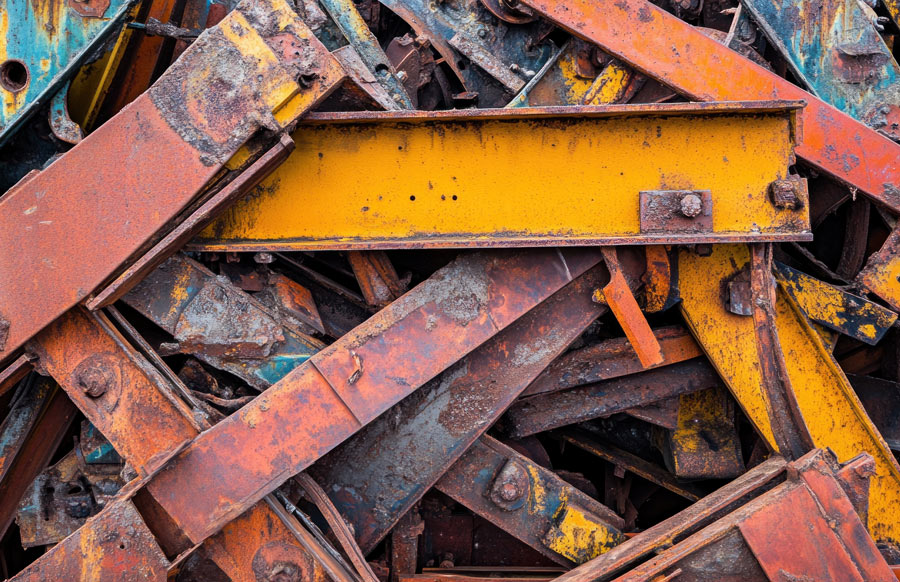
Structural steel beams
-
Hardwood flooring and timber
-
Bricks, tiles, and natural stone
-
Plumbing fixtures, doors, windows, and architectural features
-
Copper, aluminium, and other metals
These materials can either be reused in new construction, resold, or repurposed in creative ways.
Environmental advantage:
Reusing materials reduces the demand for new raw material extraction, which is often energy-intensive and damaging to ecosystems. It also cuts down on emissions from manufacturing and transport.
3. Lowering Carbon Emissions
Demolition and construction are responsible for a significant portion of global carbon emissions — both directly (through machinery and transport) and indirectly (through manufacturing and material waste). Sustainable demolition helps reduce emissions in several ways:
-
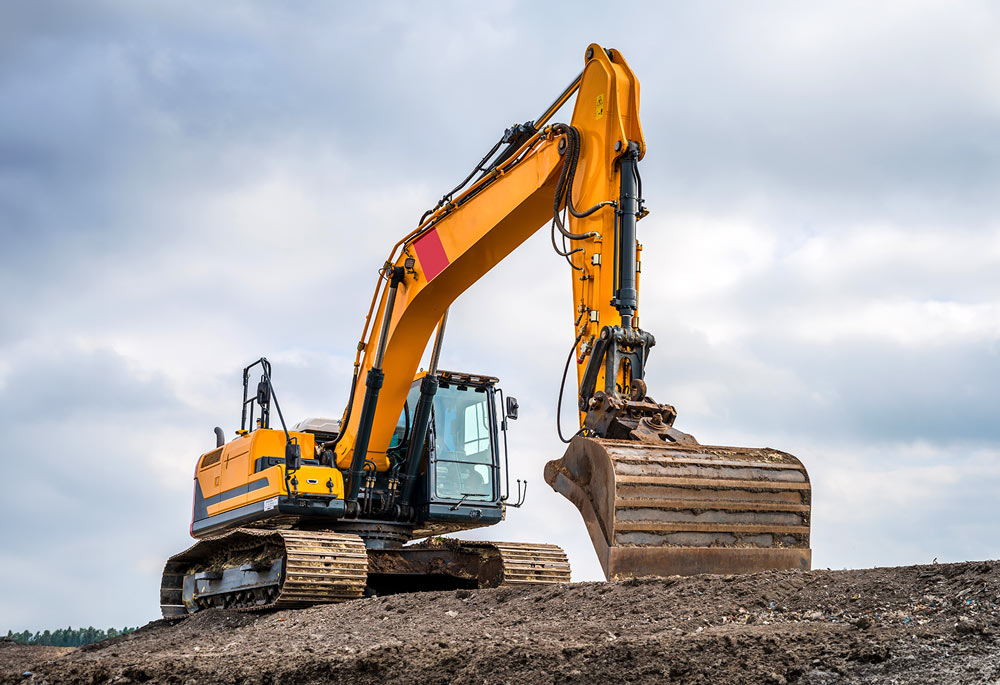
Efficient equipment and low-emission machinery reduce fuel consumption
-
Recycling concrete and steel saves up to 80% of the CO₂ that would be produced manufacturing them from scratch
-
Fewer trips to landfill or suppliers cut down on vehicle emissions
-
Less energy-intensive material sourcing thanks to reuse and recycling
Why it matters:
Lower emissions help combat climate change and align with net-zero carbon goals, which are now a key focus for many local authorities, developers, and government bodies.
4. Minimising Air, Water, and Noise Pollution
Sustainable demolition techniques also place emphasis on environmental protection during active works, including:
-
Dust suppression systems (e.g. water misting, negative air pressure)
-
Low-noise machinery and limited operating hours
-
Containment and filtration of runoff water from the site
-
Proper disposal of hazardous materials, such as asbestos, lead paint, or contaminated soil
This is particularly important in urban or sensitive environments, where traditional demolition can cause widespread disruption or health risks.
Key benefits:
-
Protects air quality for nearby residents and workers
-
Prevents contamination of local watercourses and soil
-
Reduces noise pollution and public disturbance
-
Helps maintain positive community relations
5. Supporting Green Building Certifications
Sustainable demolition doesn’t just benefit the environment — it also supports the sustainability credentials of the new development that follows. Many modern construction projects aim to meet standards such as:
-
BREEAM (Building Research Establishment Environmental Assessment Method)
-
LEED (Leadership in Energy and Environmental Design)
-
SKA Rating for fit-outs
These certifications often require evidence of responsible demolition practices, such as:
-
High percentages of recycled materials
-
Documented waste management plans
-
Use of recovered materials in new builds
Why it’s valuable:
Green certification can increase property value, attract eco-conscious buyers or tenants, and help secure planning permission more easily — especially in environmentally sensitive zones.
6. Complying With Regulations and Avoiding Fines
The UK has strict regulations around waste management, pollution control, and hazardous material handling. Sustainable demolition practices help ensure full compliance with:
-
The Waste (England and Wales) Regulations 2011
-
The Control of Asbestos Regulations 2012
-
Environmental Protection Act 1990
By planning demolition with sustainability in mind, contractors reduce the risk of legal penalties, project delays, and reputational damage.
7. Enhancing Community and Client Perception
Sustainability is no longer a niche concern — it’s a mainstream expectation. Clients, developers, investors, and the public are increasingly looking for responsible partners who align with their values.
Sustainable demolition projects:
-
Improve community relations
-
Boost client satisfaction
-
Reflect positively on contractors and developers
-
Attract eco-conscious investors and buyers
In a competitive industry, being seen as environmentally responsible is not just good practice — it’s good business.
Final Thoughts
Demolition doesn’t have to mean destruction in the environmental sense. When carried out responsibly, it can be part of the solution — reducing waste, conserving resources, cutting emissions, and preparing sites for a more sustainable future.
At Bingley Demolition, we’re proud to offer sustainable demolition services across Yorkshire. From careful soft stripping and asset recovery to eco-conscious waste management and recycling, we help our clients make smart, green choices that benefit their budgets — and the planet.
Ready to go green with your demolition project?
Contact Bingley Demolition today for a consultation and see how we can help you demolish responsibly.