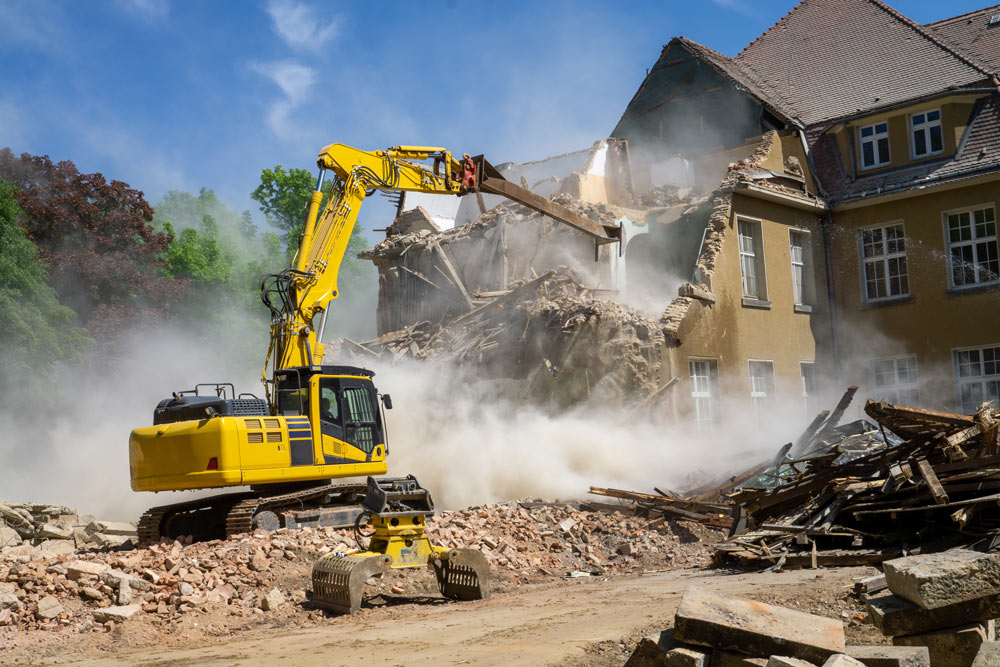
Demolition work is one of the most high-risk operations in the construction industry. Whether it’s a partial strip-out or a full-scale building takedown, the combination of heavy machinery, structural instability, and hazardous materials creates an environment where safety is absolutely critical.
At Bingley Demolition, safety isn’t just a box to tick — it’s at the heart of everything we do. In this post, we’ll take a closer look at the Top 5 Safety Protocols every demolition project must follow to ensure a safe, efficient, and compliant site.
1. Comprehensive Risk Assessments and Method Statements (RAMS)
Before a single wall comes down, every demolition project must begin with a thorough risk assessment and method statement. This safety protocol is the foundation of a safe work environment.
What does it involve?
-
Identifying all potential hazards (e.g., unstable structures, asbestos, falling debris)
-
Assessing the level of risk associated with each hazard
-
Outlining control measures to mitigate or eliminate those risks
-
Documenting safe working procedures for each phase of the demolition
RAMS documents are not just paperwork — they provide a clear blueprint for workers, supervisors, and health & safety officers to follow. These plans must be regularly reviewed and updated as the project progresses or site conditions change.
Why it matters:
Failing to identify risks early can result in accidents, costly delays, or even legal action. RAMS create a culture of accountability and proactive safety planning from day one.
2. Utility Isolation and Service Disconnections
One of the most overlooked — and most dangerous — aspects of demolition is the failure to properly isolate utilities. Gas leaks, electrical shocks, and water flooding are all serious hazards if utilities are not fully disconnected and accounted for.
Key steps include:
-
Identifying all live services such as gas, electricity, water, and telecommunications
-
Liaising with utility providers to ensure complete isolation
-
Marking and tagging isolated services clearly on site
-
Verifying disconnection through competent personnel
In some cases, temporary services may be retained for site use, but these must be clearly marked, controlled, and protected.
Why it matters:
Working around live utilities can be fatal. Proper disconnection prevents fires, explosions, flooding, and electrocution, keeping workers and surrounding properties safe.
3. Site Access Control and Public Protection
Demolition sites are dynamic, hazardous environments — and controlling who enters and how they move around the site is essential to safety.
Access control measures include:
-
Fencing and hoarding to secure the site perimeter
-
Controlled entry points with sign-in procedures
-
Clear signage to warn of hazards and direct foot traffic
-
Segregated zones for workers, machinery, and visitors
-
Protective structures such as scaffolding fans or debris netting to shield nearby buildings or footpaths
Pedestrians and adjacent businesses or residents must be protected at all times, especially in urban or residential environments. In some cases, demolition may require road closures or restricted hours.
Why it matters:
Proper access control prevents unauthorised entry, reduces the risk of injury to the public, and ensures that only trained, equipped personnel are working in hazardous areas.
4. Use of Personal Protective Equipment (PPE) and Training
Even the best safety plan fails without proper execution. That’s why it’s essential that all demolition workers are trained in safe working practices and equipped with the correct PPE for the job.
Standard PPE includes:
-
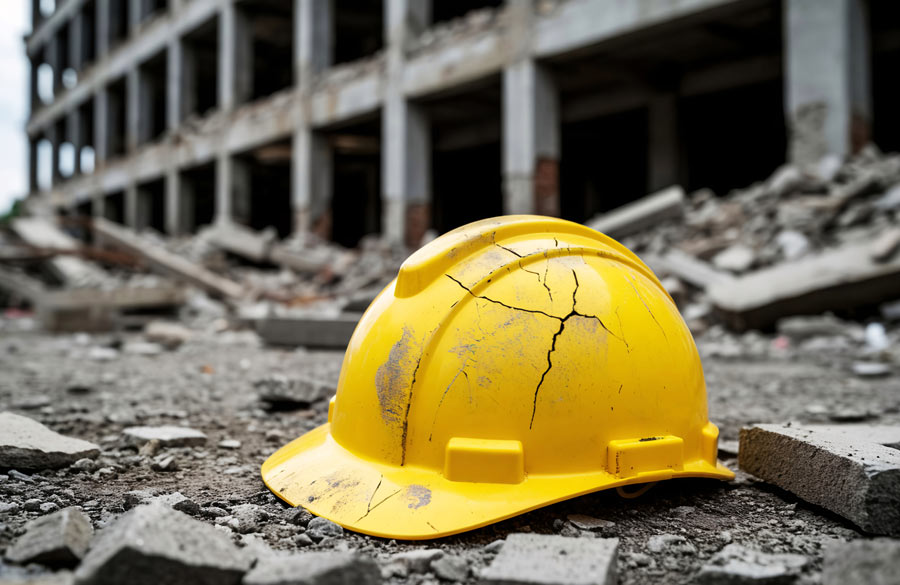
Hard hats for falling object protection
-
High-visibility clothing for visibility around machinery
-
Safety boots with steel toe caps
-
Gloves to protect hands from sharp debris
-
Eye protection from dust, sparks, and flying fragments
-
Respiratory protection when dealing with hazardous dusts (e.g., silica or asbestos)
-
Hearing protection in high-noise environments
Beyond PPE, training is essential. Workers must be qualified to operate machinery, work at height, handle hazardous materials, and follow emergency procedures. Toolbox talks and refresher sessions help keep knowledge up to date.
Why it matters:
PPE is the last line of defence in a dangerous environment. Combined with proper training, it significantly reduces the likelihood and severity of accidents and injuries on site.
5. Structural Monitoring and Controlled Demolition Techniques
Demolition is about more than destruction — it requires precision. A key safety protocol is ensuring that the structure is carefully monitored, and that demolition methods are controlled, sequenced, and suitable for the building type.
Key elements include:
-
Pre-demolition structural surveys to assess weaknesses and collapse risks
-
Sequencing demolition to ensure load-bearing components are removed in the correct order
-
Use of temporary supports where necessary
-
Monitoring movement and stability throughout the process
-
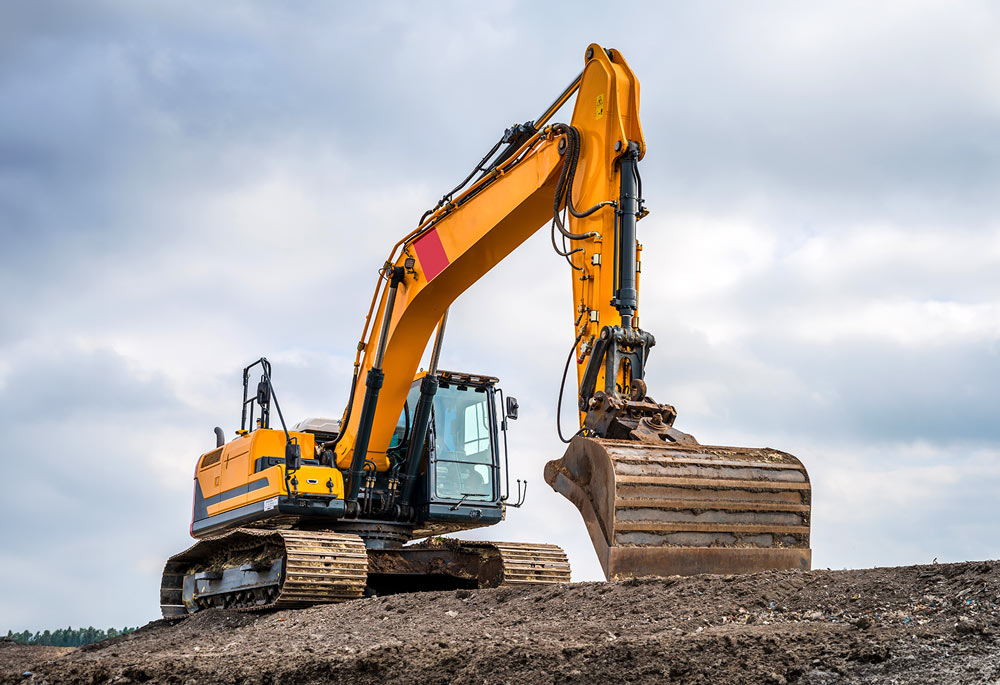
Employing appropriate methods, whether manual dismantling, high-reach excavators, or controlled explosives (where permitted)
By planning the demolition sequence in detail and monitoring progress throughout, risks of unplanned collapse, injury, or damage to neighbouring properties can be effectively managed.
Why it matters:
Uncontrolled demolition can have catastrophic consequences. Structural monitoring ensures the building is brought down safely and predictably, protecting everyone involved.
Bonus Tip: Compliance with Regulations and Accreditations
At Bingley Demolition, we’re fully accredited by CHAS, SMAS, and Constructionline, and we work in strict compliance with:
-
The Construction (Design and Management) Regulations 2015
-
Control of Asbestos Regulations 2012
-
Health and Safety at Work Act 1974
Accreditations demonstrate our commitment to industry best practices, and our clients can be confident that every project meets legal and safety obligations from start to finish.
Final Thoughts
Demolition may look like destruction on the surface, but behind every successful project is a carefully planned and rigorously implemented set of safety protocols. These protocols protect workers, the public, the environment, and the integrity of the project itself.
From initial risk assessments and utility isolation to PPE enforcement and structural monitoring, safety must be a non-negotiable part of every phase of demolition work.
At Bingley Demolition, we don’t take shortcuts — we take responsibility. Our commitment to safety underpins everything we do, and it’s why clients across Yorkshire trust us with their demolition needs.
Need a safe, reliable demolition contractor?
Contact Bingley Demolition today to discuss your project and learn how we prioritise safety at every stage.