Gas pipework is one of the most critical components of any commercial gas system. While appliances such as boilers and heaters often receive attention, the condition of the pipework supplying them is frequently overlooked—particularly in older commercial buildings.
Outdated or deteriorating gas pipework can present serious safety risks, compliance issues, and operational inefficiencies. For facilities managers and business owners, understanding when and why gas pipework needs upgrading is essential to maintaining a safe and reliable commercial environment.
Why Old Gas Pipework Is a Problem
Many commercial premises still operate with gas pipework installed decades ago. While these systems may continue to function, they often no longer meet modern safety standards or operational demands.
Common issues associated with ageing pipework include:
-
Corrosion and material degradation
-
Inadequate pipe sizing for current loads
-
Poor joint integrity
-
Outdated installation methods
-
Limited documentation or certification
As buildings evolve and energy demands increase, older pipework systems can quickly become a liability rather than an asset.
Key Risks of Outdated Commercial Gas Pipework
1. Increased Risk of Gas Leaks
Over time, pipework materials can corrode, weaken, or suffer mechanical damage. Older joints and fittings are particularly susceptible to failure, increasing the likelihood of gas leaks.
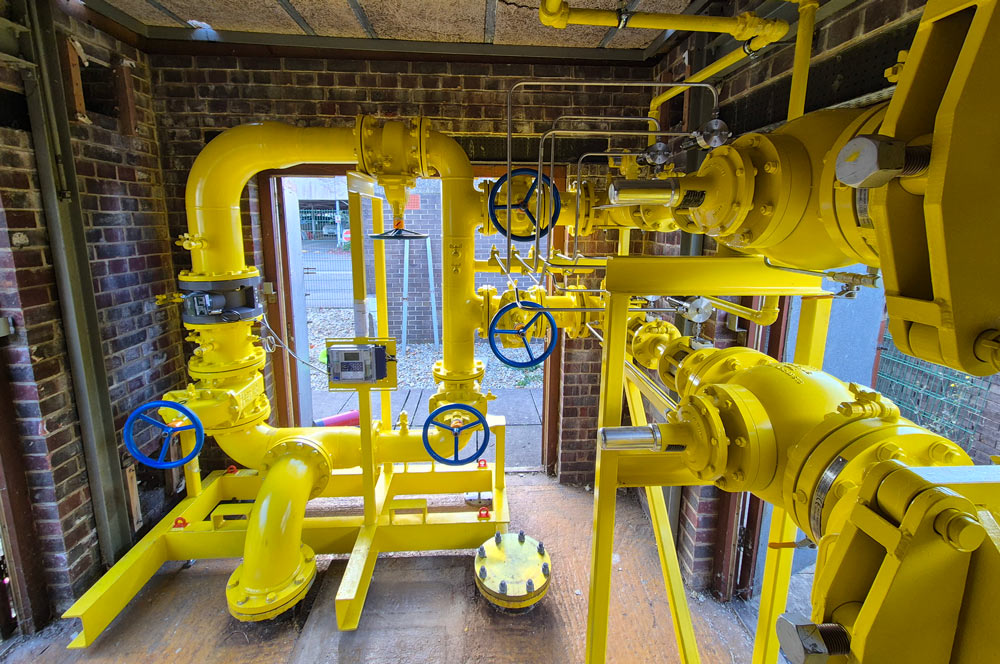
Even minor leaks can create dangerous conditions, especially in enclosed plant rooms or service voids.
2. Non-Compliance with Current Regulations
Gas safety legislation and industry standards have evolved significantly over the years. Pipework that was compliant at the time of installation may no longer meet current requirements.
This can lead to:
-
Failed safety inspections
-
Enforcement action by authorities
-
Invalid insurance cover
-
Delays during refurbishments or change-of-use projects
3. Insufficient Capacity for Modern Demand
Many older systems were designed for lower gas loads. As businesses add new appliances, upgrade boilers, or expand operations, existing pipework may no longer be adequately sized.
Undersized pipework can cause:
-
Pressure drops
-
Appliance inefficiency
-
Unstable operation or shutdowns
4. Operational Disruption and Unplanned Downtime
Ageing pipework is more prone to sudden failures. Emergency repairs often result in unplanned shutdowns, lost productivity, and higher repair costs compared to planned upgrades.
5. Difficulty Modifying or Expanding Systems
Older pipework layouts may be poorly documented or difficult to adapt. This complicates refurbishment projects and can increase both time and cost when changes are required.
When Should Commercial Gas Pipework Be Upgraded?
There is no fixed lifespan for gas pipework, but several indicators suggest an upgrade should be considered:
-
Frequent leaks or repairs
-
Visible corrosion or mechanical damage
-
Changes in building use or appliance load
-
Failed pressure tests
-
Incomplete or outdated certification
-
Planned refurbishments or boiler upgrades
A professional gas assessment can determine whether targeted repairs are sufficient or whether a full upgrade is the safer long-term option.
The Process of Upgrading Commercial Gas Pipework
1. Site Survey and System Assessment
The upgrade process begins with a detailed site survey. This includes:
-
Reviewing existing pipework routes and materials
-
Assessing load requirements
-
Identifying compliance gaps
-
Evaluating access and installation constraints
This stage ensures the new system is correctly designed for both current and future requirements.
2. Design and Compliance Planning
Once assessed, engineers design a compliant pipework solution that meets current regulations and operational needs. This includes:
-
Correct pipe sizing
-
Suitable materials
-
Isolation points
-
Ventilation and safety considerations
Risk assessments and method statements (RAMS) are produced to ensure safe execution.
3. Testing and Purging
Before commissioning, all new pipework must be pressure tested and purged in accordance with industry standards. This confirms system integrity and ensures safe operation.
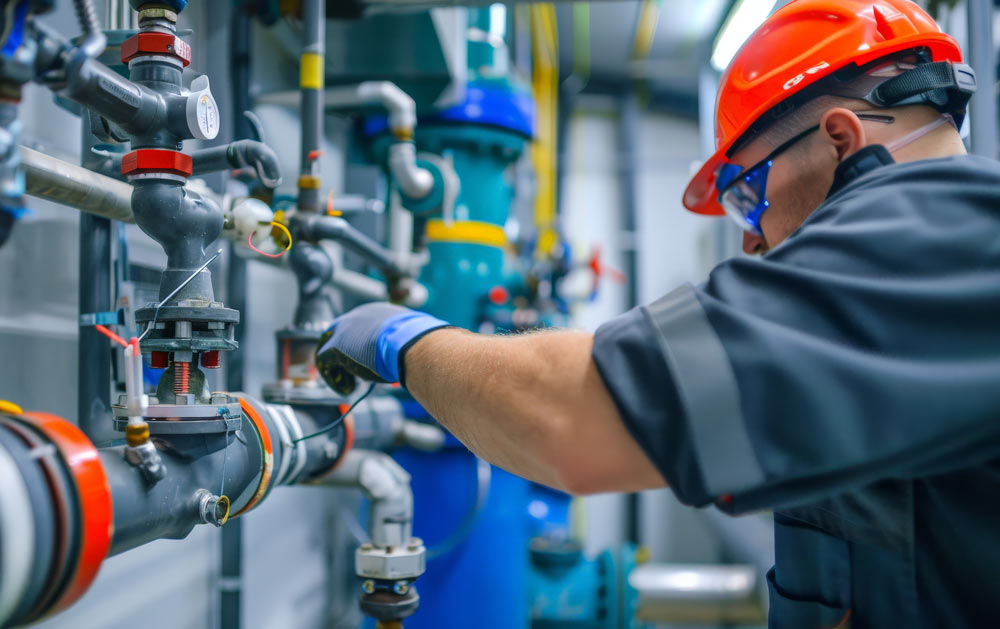
Testing and purging are critical steps that must only be carried out by qualified commercial gas engineers.
4. Installation with Minimal Disruption
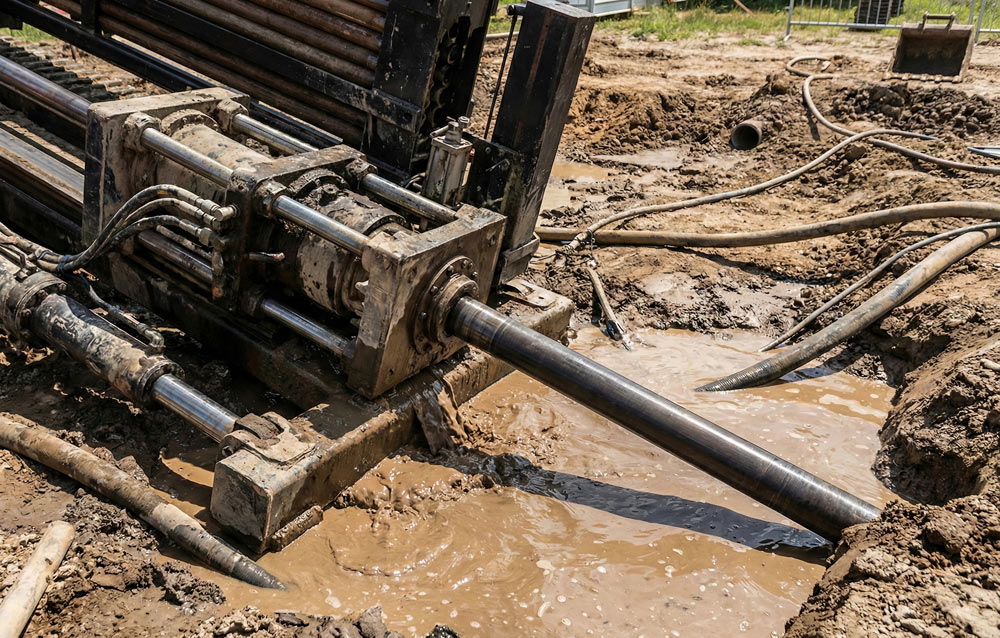
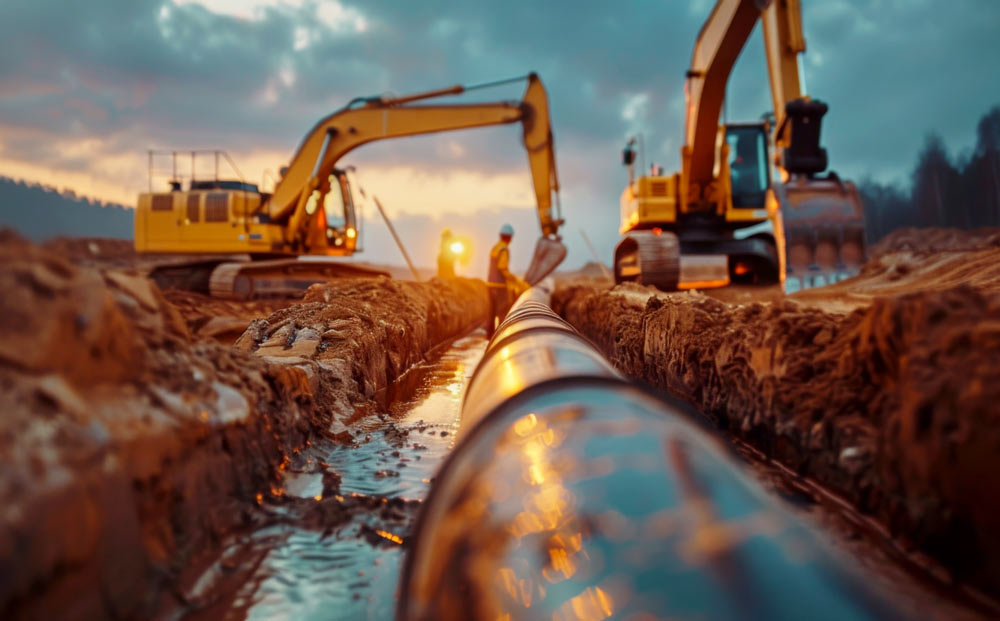
Where possible, installation methods are selected to minimise disruption to building occupants and operations. Trenchless techniques such as moling or directional drilling can be used for external pipe runs, reducing excavation and reinstatement work.
Careful planning allows upgrades to be completed in phases or outside peak operating hours.
5. Commissioning and Documentation
Following installation, the system is commissioned and fully documented. This includes:
-
Gas safety certification
-
Test results
-
Updated drawings and records
Proper documentation supports ongoing compliance and future maintenance.
Benefits of Upgrading Old Gas Pipework
Improved Safety
New pipework significantly reduces the risk of leaks, pressure issues, and system failures, protecting occupants and assets.
Regulatory Compliance
Upgraded systems meet current legislation and standards, reducing legal and insurance risks.
Enhanced Efficiency and Performance
Correctly sized and well-designed pipework improves appliance performance and energy efficiency.
Reduced Maintenance Costs
Modern systems require fewer reactive repairs and are easier to maintain over their lifecycle.
Future-Proofing the Premises
Upgraded pipework allows for easier expansion, appliance upgrades, and changes in building use.
Choosing the Right Contractor
Upgrading commercial gas pipework is a complex, safety-critical task. It should only be undertaken by contractors with proven experience in commercial gas systems.
Key considerations include:
-
Commercial Gas Safe registration
-
Experience with similar premises
-
Clear safety documentation
-
Ability to minimise disruption
-
End-to-end project management
Selecting the right contractor ensures the upgrade is completed safely, efficiently, and compliantly.
Conclusion
Old gas pipework in commercial premises is a hidden risk that can undermine safety, compliance, and operational reliability. While systems may continue to function for years, deterioration and changing demands eventually make upgrades unavoidable.
By identifying issues early and planning upgrades proactively, businesses can avoid emergency repairs, reduce risk, and create a safer, more efficient gas infrastructure for the future.
Upgrading gas pipework is not just a maintenance task—it is an investment in long-term safety and operational resilience.