Installing or upgrading gas pipework is a critical task in any commercial or industrial environment. Beyond safety and compliance considerations, the chosen installation method can significantly impact project cost, timescales, disruption, and long-term outcomes.
Two primary methods are used for installing underground gas pipelines: traditional open-cut excavation and trenchless techniques such as directional drilling. Each approach has its place, but understanding their differences helps businesses and project managers make informed decisions.
This article compares directional drilling and traditional excavation, outlining their advantages, limitations, and ideal use cases for commercial gas installations.
Understanding the Two Installation Methods
What Is Traditional Excavation?
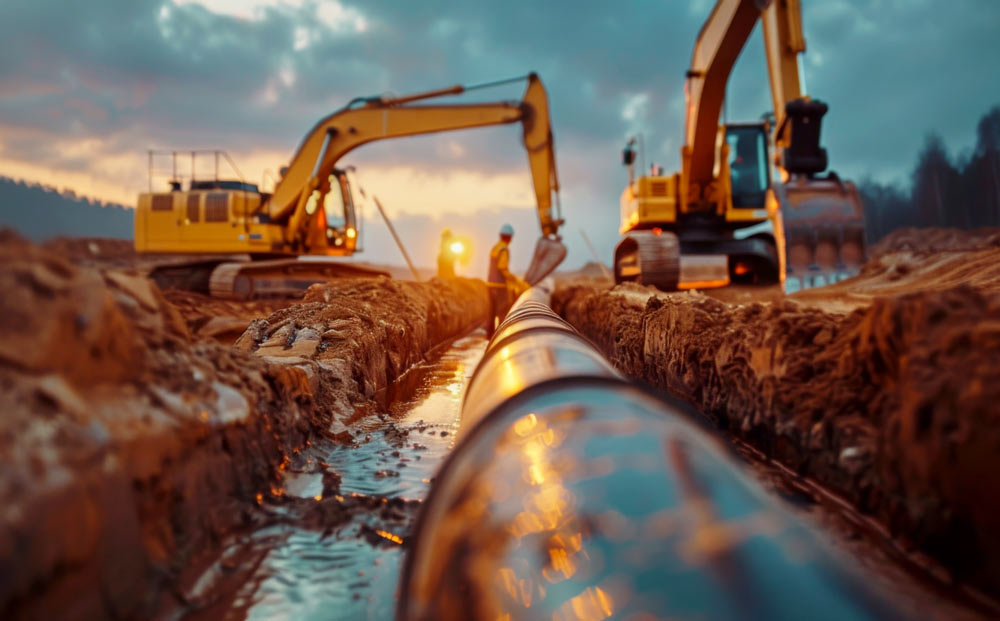
Traditional excavation involves digging open trenches to expose the ground where gas pipework is installed. Once the pipe is laid, the trench is backfilled and the surface reinstated.
This method has been used for decades and remains common in many construction and utility projects.
What Is Directional Drilling?
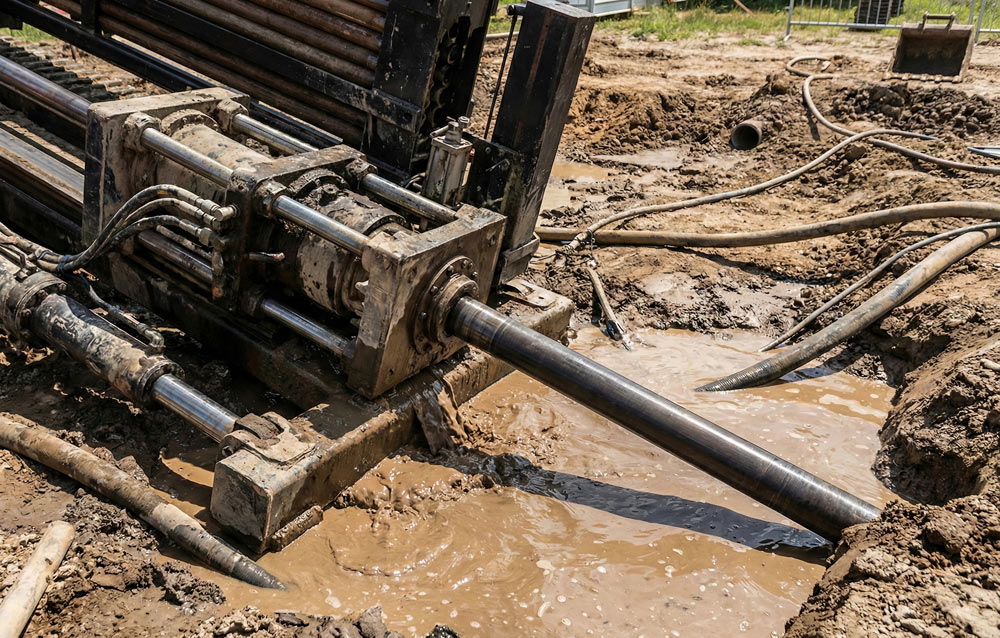
Directional drilling, often referred to as horizontal directional drilling (HDD) or moling, is a trenchless installation technique. It involves drilling a guided underground bore from one point to another, through which gas pipework is installed without extensive surface excavation.
Directional drilling allows pipes to be installed beneath roads, buildings, and hardstanding with minimal surface disruption.
Comparing Installation Impact
Surface Disruption
Traditional Excavation:
Open trenches require significant surface disruption. This can involve breaking concrete, asphalt, or landscaping, followed by reinstatement works.
Directional Drilling:
Only entry and exit pits are required. Surface impact is minimal, making this method ideal for operational sites or high-traffic areas.
Business and Operational Disruption
Traditional Excavation:
Trenching often restricts access, affects pedestrian and vehicle movement, and may require partial or full site closures.
Directional Drilling:
Trenchless methods allow businesses to continue operating during installation, reducing downtime and inconvenience.
Cost Considerations
Upfront vs Total Project Cost
Traditional Excavation:
Initial excavation costs can appear lower. However, reinstatement, traffic management, and extended project durations often increase total cost.
Directional Drilling:
While specialist equipment and expertise may increase upfront costs, reduced reinstatement and faster completion often result in overall savings.
Hidden Costs
Traditional excavation can introduce unexpected costs due to:
-
Unidentified services
-
Poor ground conditions
-
Extended reinstatement requirements
Directional drilling reduces exposure to many of these variables.
Safety and Risk Management
Worker and Public Safety
Traditional Excavation:
Open trenches introduce risks such as collapse, trips, and falls. They also increase exposure to live services.
Directional Drilling:
Trenchless methods reduce open excavation risks and limit interaction with existing infrastructure when properly surveyed and planned.
Asset Protection
Directional drilling allows pipes to pass beneath existing utilities and structures, reducing the risk of damage to surrounding assets.
Environmental Considerations
Ground and Surface Impact
Traditional Excavation:
Excavation generates spoil, dust, noise, and potential contamination, particularly in sensitive environments.
Directional Drilling:
Minimal ground disturbance reduces environmental impact and simplifies site restoration.
Sustainability Benefits
Reduced excavation, waste removal, and reinstatement contribute to lower carbon impact for trenchless installations.
Installation Accuracy and Quality
Alignment and Control
Modern directional drilling equipment allows precise control over bore alignment and depth. This is particularly beneficial when navigating congested underground environments.
Traditional excavation relies more heavily on open access but may still face alignment challenges in complex sites.
Pipe Integrity
Trenchless installations reduce handling and exposure, lowering the risk of pipe damage during installation.
When Traditional Excavation May Be Appropriate
Despite its drawbacks, traditional excavation remains suitable in certain scenarios, including:
-
Short, shallow pipe runs
-
Areas with unrestricted access
-
Sites requiring multiple service installations simultaneously
-
Projects where trench access is unavoidable
When Directional Drilling Is the Better Option
Directional drilling is particularly effective for:
-
Installing pipes beneath roads, car parks, and hardstanding
-
Working in live commercial environments
-
Minimising disruption to tenants or customers
-
Projects with strict reinstatement or access requirements
Planning and Compliance Considerations
Both methods require careful planning, risk assessment, and compliance with gas safety regulations.
Professional surveys, service detection, and method statements are essential—particularly for directional drilling, where underground conditions must be well understood.
Choosing the Right Installation Method
Selecting the most appropriate method depends on:
-
Site constraints
-
Operational requirements
-
Ground conditions
-
Budget and timescale
-
Safety and compliance priorities
An experienced commercial gas contractor can assess these factors and recommend the most effective solution.
The Role of Specialist Contractors
Directional drilling for gas installations requires specialist equipment, trained operatives, and a thorough understanding of gas safety standards.
Working with a contractor experienced in both traditional excavation and trenchless techniques ensures the chosen method delivers the best outcome for safety, cost, and efficiency.
Conclusion
Both directional drilling and traditional excavation play important roles in commercial gas installations. While traditional excavation remains suitable for certain projects, directional drilling offers clear advantages in terms of reduced disruption, improved safety, and long-term value.
For many commercial environments, trenchless installation methods provide a modern, efficient solution that aligns with operational demands and regulatory expectations.
Choosing the right approach—and the right contractor—ensures gas installations are completed safely, compliantly, and with minimal impact on business operations.