Commercial gas systems are critical to the operation of many businesses, from manufacturing plants and warehouses to offices, schools, and hospitality venues. While gas is a reliable and efficient energy source, it also presents inherent risks if not properly designed, installed, maintained, and monitored.
Understanding the most common commercial gas risks—and how to prevent them—is essential for duty holders, facilities managers, and business owners. This article outlines the key hazards associated with commercial gas systems and the practical steps organisations can take to manage them effectively.
Why Commercial Gas Safety Matters
Unlike domestic systems, commercial gas installations are typically larger, more complex, and subject to higher usage levels. Failures can have serious consequences, including fire, explosion, carbon monoxide exposure, operational downtime, legal liability, and reputational damage.
UK legislation places clear responsibilities on those who control or manage commercial premises to ensure gas systems are safe, compliant, and regularly maintained. Proactive gas safety management is not only a legal obligation—it is a fundamental part of protecting people and assets.
Common Commercial Gas Risks
1. Gas Leaks
Gas leaks are one of the most serious risks in any commercial environment. Even small leaks can escalate quickly, particularly in enclosed or poorly ventilated spaces.
Common causes include:
-
Deteriorated or damaged pipework
-
Poor installation or modifications
-
Corrosion or mechanical impact
-
Failed joints, valves, or fittings
Risks:
-
Fire or explosion
-
Immediate danger to life
-
Forced site closures
2. Inadequate Ventilation
Commercial gas appliances require sufficient ventilation to operate safely. Inadequate airflow can result in incomplete combustion and the build-up of harmful gases.
Common issues include:
-
Blocked or altered ventilation openings
-
Changes to building layouts without reassessment
-
Incorrect appliance specification
Risks:
-
Carbon monoxide accumulation
-
Reduced appliance efficiency
-
Long-term health impacts
3. Carbon Monoxide Exposure
Carbon monoxide (CO) is a colourless, odourless gas produced by incomplete combustion. It is particularly dangerous because it is difficult to detect without monitoring equipment.
Common causes include:
-
Poorly maintained boilers or heaters
-
Faulty flues or exhaust systems
-
Insufficient ventilation
Risks:
-
Serious illness or fatality
-
Legal and regulatory consequences
-
Reputational damage
4. Non-Compliant or Poorly Maintained Systems
Many commercial gas incidents occur not because systems were unsafe at installation, but because they were not adequately maintained or reviewed over time.
Typical problems include:
-
Outdated pipework or appliances
-
Missing inspection records
-
Unauthorised alterations
Risks:
-
System failure under load
-
Non-compliance with current regulations
-
Invalid insurance cover
5. Inadequate Testing and Purging
Gas testing and purging are critical during installation, repair, or recommissioning. Skipping or incorrectly performing these processes can leave air or gas trapped within systems.
Risks:
-
Ignition during start-up
-
Unstable system operation
-
Hidden faults remaining undetected
6. Lack of Emergency Preparedness
Many businesses are unprepared for gas-related emergencies, leading to confusion, delays, and increased risk when incidents occur.
Common gaps include:
-
No emergency isolation procedures
-
Staff unaware of warning signs
-
No clear escalation process
How to Prevent Commercial Gas Risks
1. Engage Qualified Commercial Gas Specialists
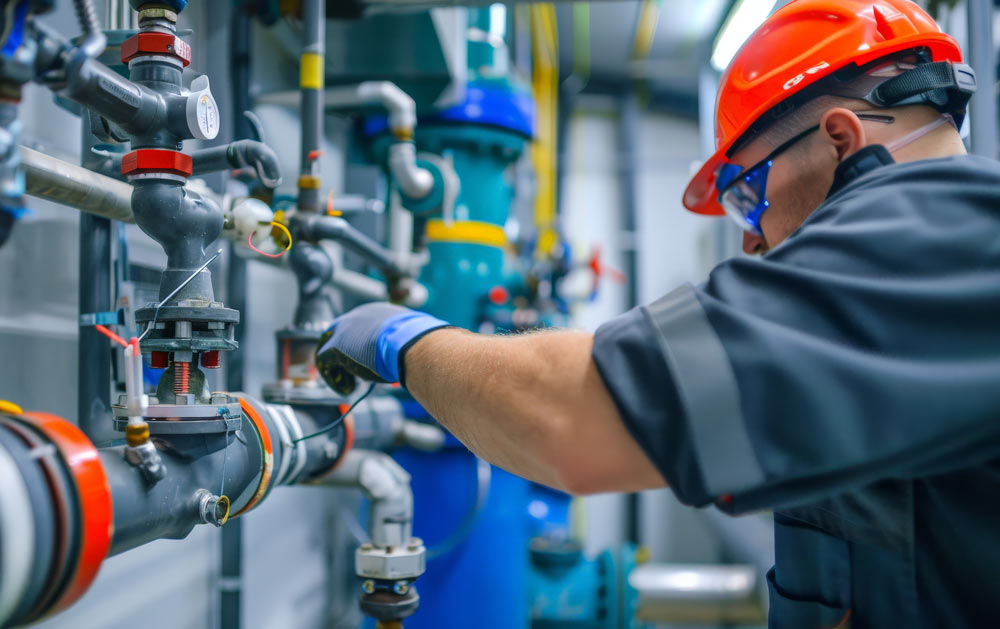
All commercial gas work should be carried out by engineers who are fully qualified and Gas Safe registered for commercial systems. This ensures work is completed safely and in compliance with regulations.
Using non-specialist or domestic-only contractors significantly increases risk.
2. Implement Regular Inspection and Maintenance
Planned preventative maintenance is one of the most effective ways to reduce gas-related incidents.
This should include:
-
Routine appliance servicing
-
Pipework inspections
-
Leak detection checks
-
Flue and ventilation assessments
Regular inspections help identify issues before they become safety-critical.
3. Carry Out Professional Gas Testing and Purging
Whenever systems are installed, modified, or recommissioned, professional testing and purging must be undertaken.
This ensures:
-
System integrity
-
Correct operating pressures
-
Safe commissioning
Documentation should always be retained as part of compliance records.
4. Maintain Clear Compliance Documentation
Commercial gas safety is closely linked to documentation. Duty holders should ensure they have up-to-date records, including:
-
Gas Safety Certificates
-
Service and inspection logs
-
Risk assessments and method statements (RAMS)
Clear documentation demonstrates compliance and supports audits or inspections.
5. Use Advanced Leak Detection Methods
Modern gas detection technology allows engineers to locate leaks accurately without unnecessary disruption. Early detection reduces repair costs and prevents escalation.
Routine leak detection surveys are particularly valuable in older or heavily used systems.
6. Plan Works to Minimise Disruption and Risk
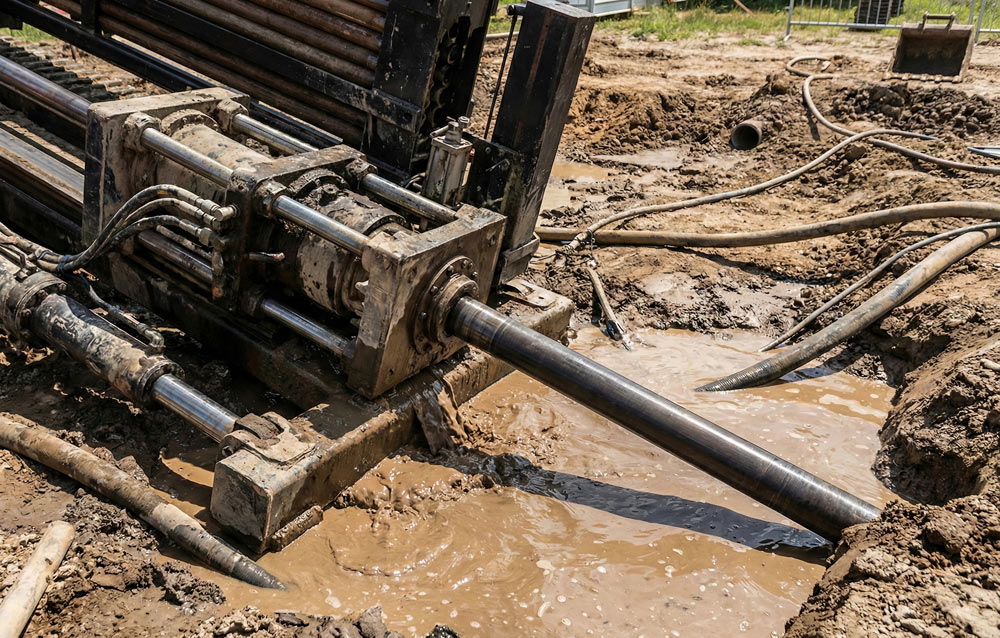
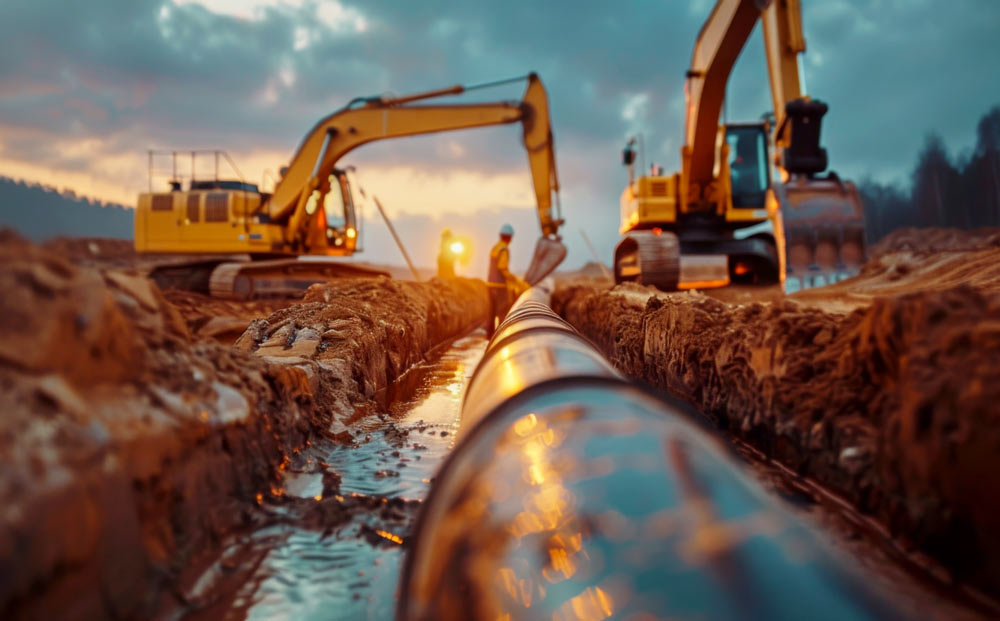
Where new pipework is required, techniques such as moling or directional drilling can reduce excavation, damage to surfaces, and operational downtime—while maintaining safety and compliance.
7. Train Staff and Establish Emergency Procedures
Staff should understand:
-
How to recognise signs of a gas issue
-
What actions to take in an emergency
-
Who to contact immediately
Clear procedures and visible isolation points can significantly reduce risk during incidents.
The Role of Proactive Gas Safety Management
Commercial gas safety should never be reactive. Businesses that adopt a proactive approach—working with trusted specialists, scheduling regular inspections, and maintaining compliance—significantly reduce risk and disruption.
Beyond safety, proactive management also:
-
Extends asset lifespan
-
Improves energy efficiency
-
Reduces unplanned downtime
-
Protects legal and insurance positions
Conclusion
Commercial gas systems are essential but inherently high-risk if not properly managed. Gas leaks, poor ventilation, carbon monoxide exposure, and non-compliant installations remain common issues across commercial properties—but they are largely preventable.
By engaging qualified specialists, implementing regular maintenance, ensuring proper testing, and maintaining clear safety procedures, businesses can protect their people, premises, and operations.
Commercial gas safety is not just about compliance—it is about responsibility, reliability, and long-term operational resilience.